
Rankings
The 100 Best Movies of All Time: The Stellar Canon
From silent landmarks and global classics to animation, thrillers, comedies, and modern blockbusters, these are Stellar's 100 greatest movies.
There is no objective way to rank a century of cinema. A silent comedy, a chamber drama, a hand-drawn fantasy, and a giant-screen action film pursue different kinds of perfection. This countdown is therefore a map, not a verdict: one route through the movies that expanded the form, sharpened a genre, changed the culture, or simply became impossible to forget.
The ranking considers direction, writing, performance, visual and sonic invention, influence, emotional force, and the mysterious quality that makes a film feel alive on a return visit. Historical importance matters, but this is not a museum inventory. Pleasure, surprise, terror, laughter, and rewatchability count too.
Selections span narrative features released through August 2026. The list is an original Stellar editorial ranking, not a reproduction of another publication's poll. Each entry is spoiler-light, includes a wide promotional image, and links to its film page on Stellar.
100–81: worlds built in a single sitting
100. The Grand Budapest Hotel (2014)
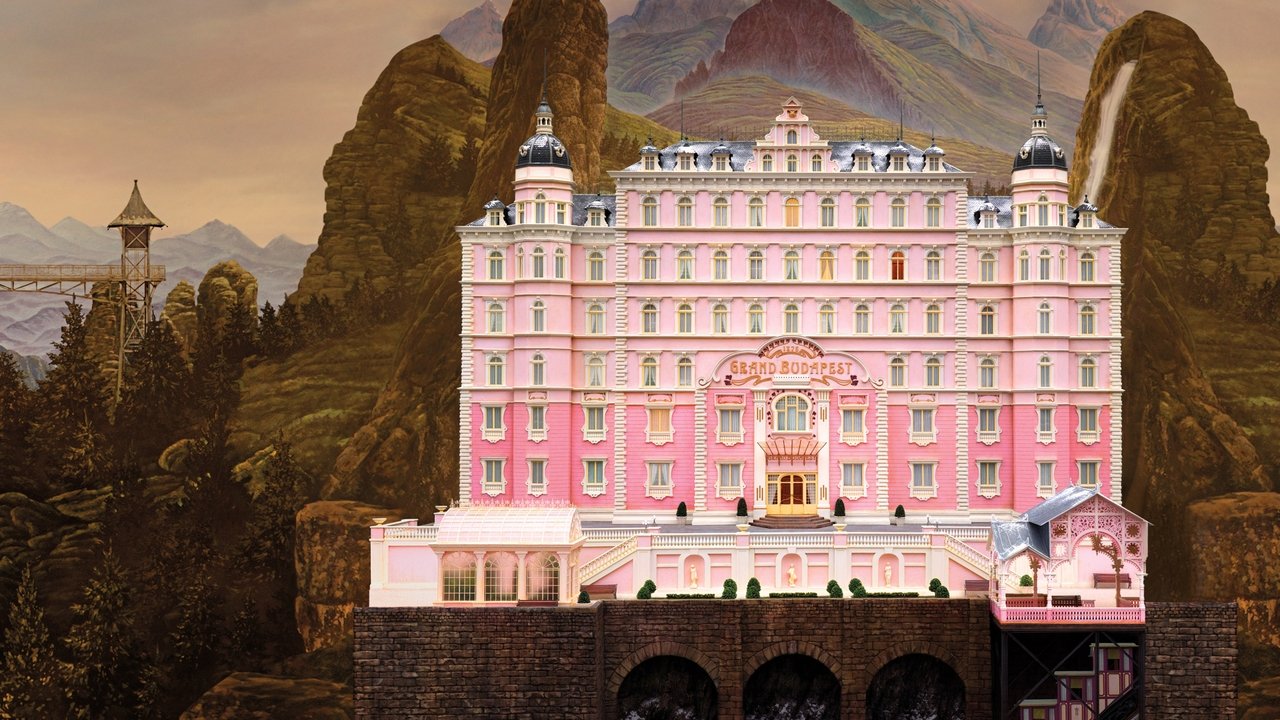
Wes Anderson builds a handmade Europe from nested memories, immaculate miniatures, sudden brutality, and candy-box color. Beneath the clockwork comedy is a tender argument for courtesy as a form of resistance when history turns coarse.
View The Grand Budapest Hotel on Stellar
99. Heat (1995)
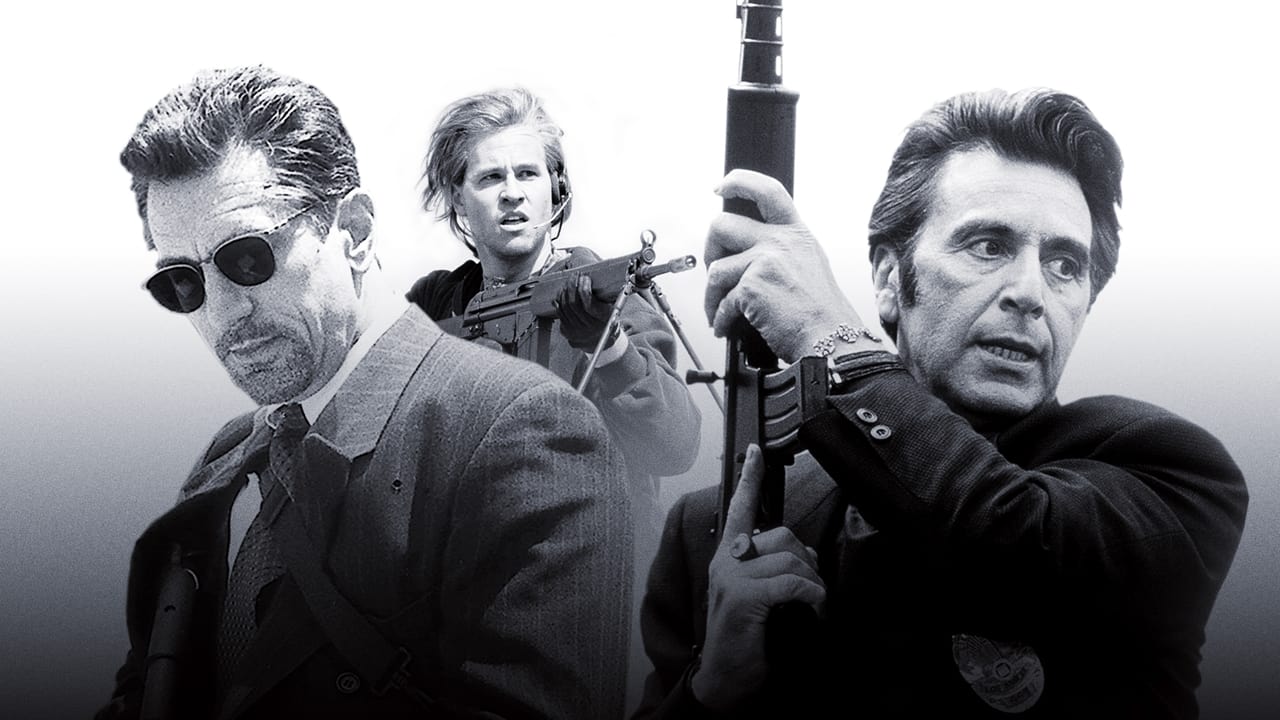
Michael Mann turns Los Angeles into a field of blue light, empty freeways, and professional codes. The famous confrontation matters because the film has already shown two men whose mastery isolates them from every life they claim to protect.
98. The Thing (1982)
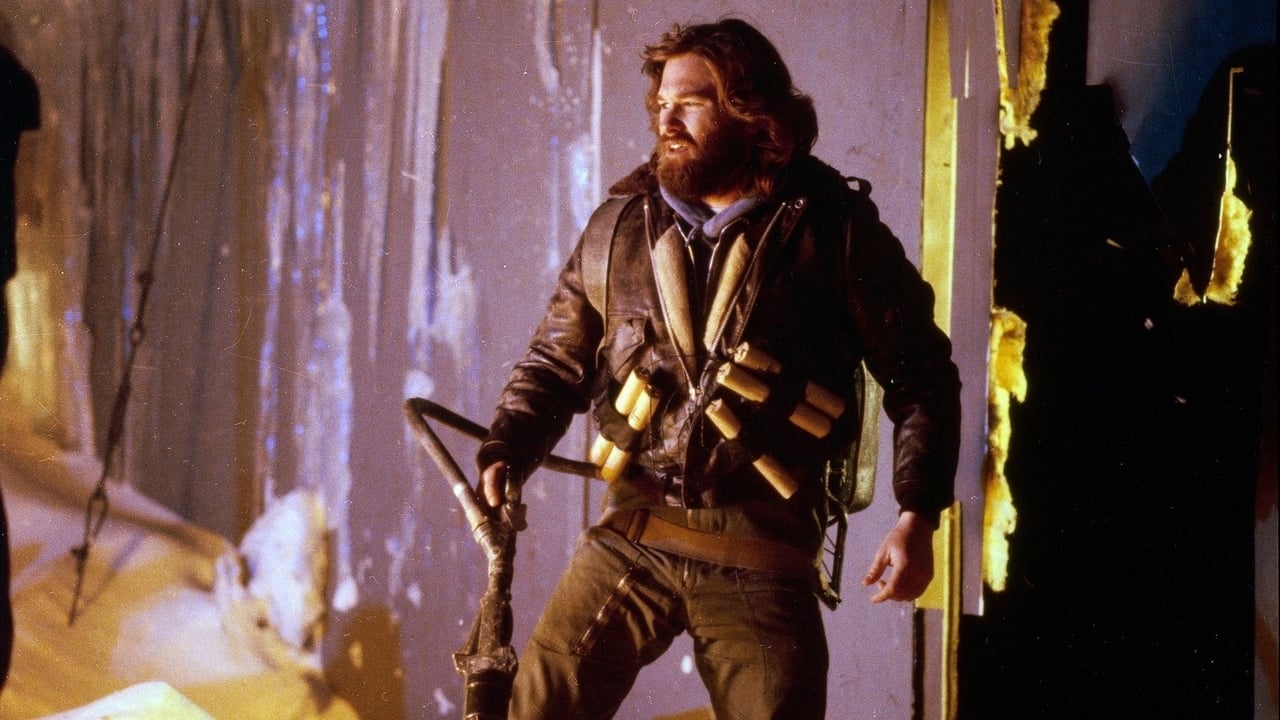
An Antarctic outpost becomes a perfect pressure chamber for suspicion. John Carpenter pairs tactile creature effects with a colder terror: once trust collapses, even the right decision can look exactly like infection.
97. Portrait of a Lady on Fire (2019)

Céline Sciamma makes looking into an exchange of power, attention, and desire. Its disciplined frames and carefully withheld music turn a brief romance into something preserved not by possession, but by memory.
View Portrait of a Lady on Fire on Stellar
96. Children of Men (2006)
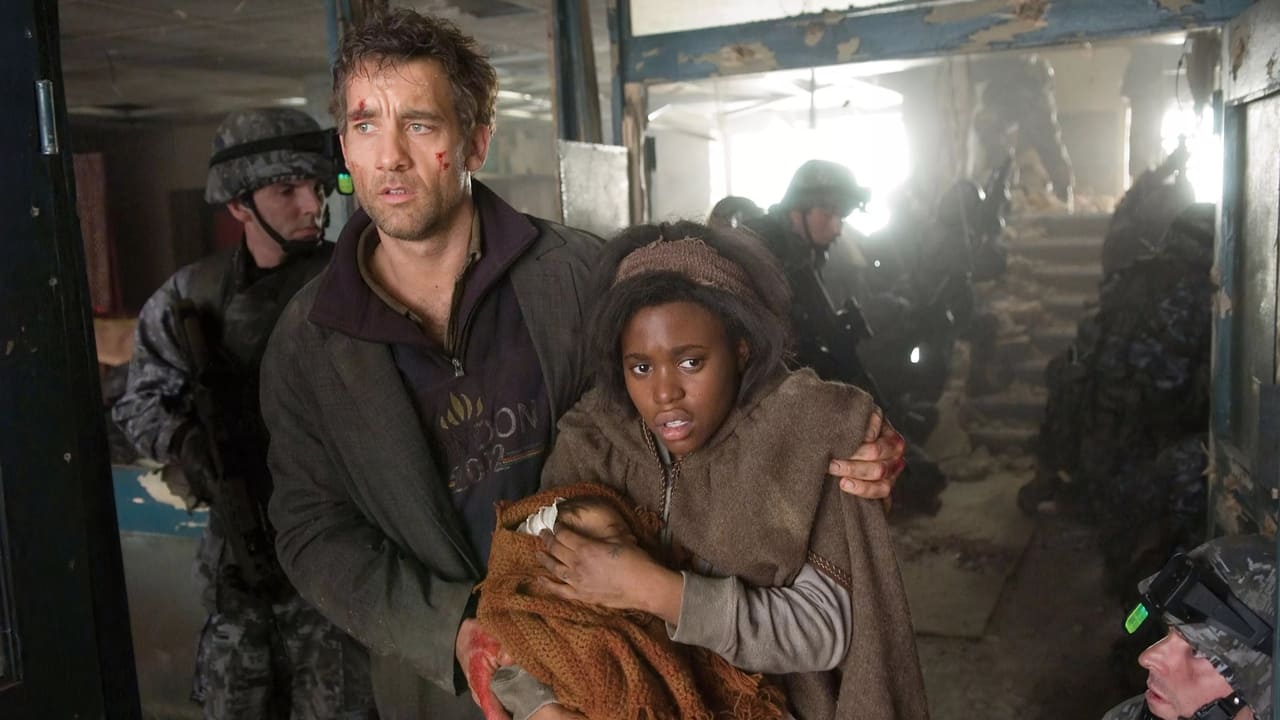
Alfonso Cuarón's dystopia feels frightening because its future is assembled from familiar cruelty, bureaucracy, and exhaustion. Long, mobile takes keep hope physically vulnerable while the world closes in from every side.
View Children of Men on Stellar
95. Toy Story (1995)
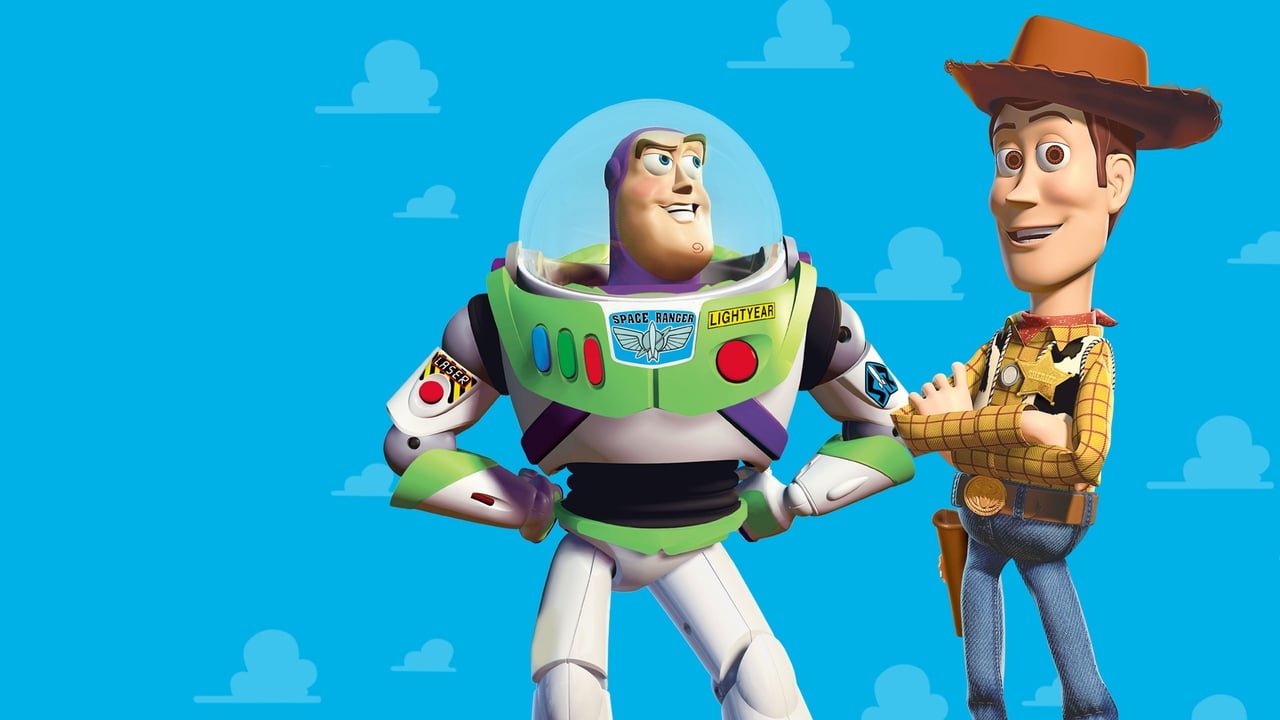
The first fully computer-animated feature remains more than a technical milestone. Its buddy comedy is built on jealousy, obsolescence, and the frightening discovery that friendship asks the self to make room for somebody new.
94. The Lives of Others (2006)
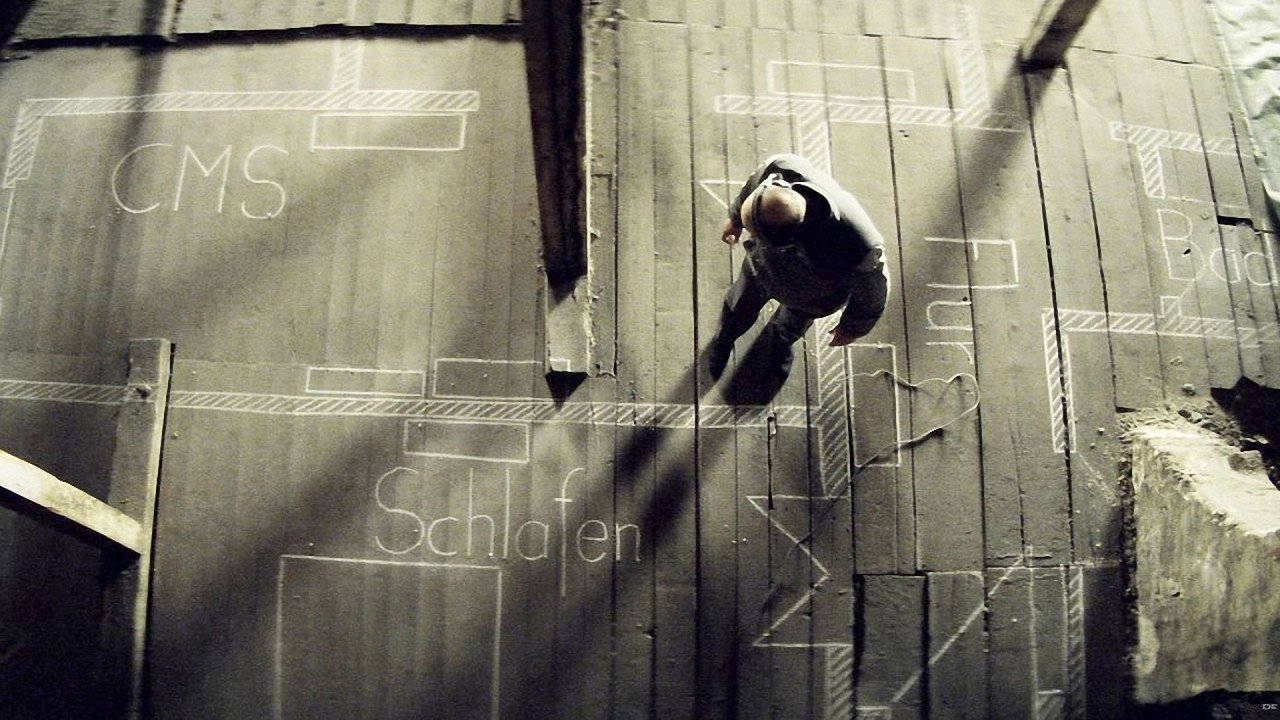
Surveillance begins as routine state procedure and slowly becomes an unwanted education in another person's inner life. The film finds suspense in typing, listening, and tiny choices that restore moral agency one risk at a time.
View The Lives of Others on Stellar
93. Crouching Tiger, Hidden Dragon (2000)

Ang Lee lets warriors cross rooftops and treetops with impossible grace, then anchors every flight in duty and deferred longing. The action is lyrical because each duel is also an argument about freedom.
View Crouching Tiger, Hidden Dragon on Stellar
92. The Apartment (1960)
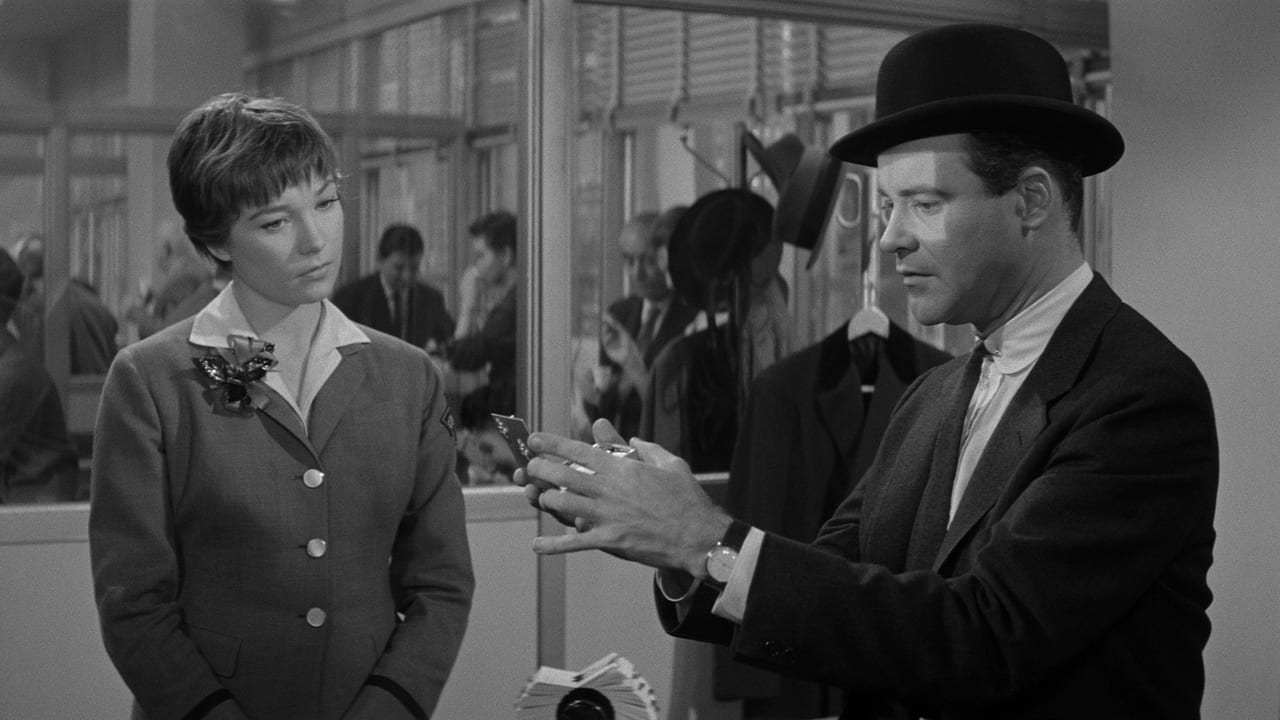
Billy Wilder's corporate romance balances cynicism and bruised sweetness without letting either cancel the other. A borrowed key becomes a whole moral system, and decency arrives only when ambition finally looks unbearable.
91. Mad Max: Fury Road (2015)
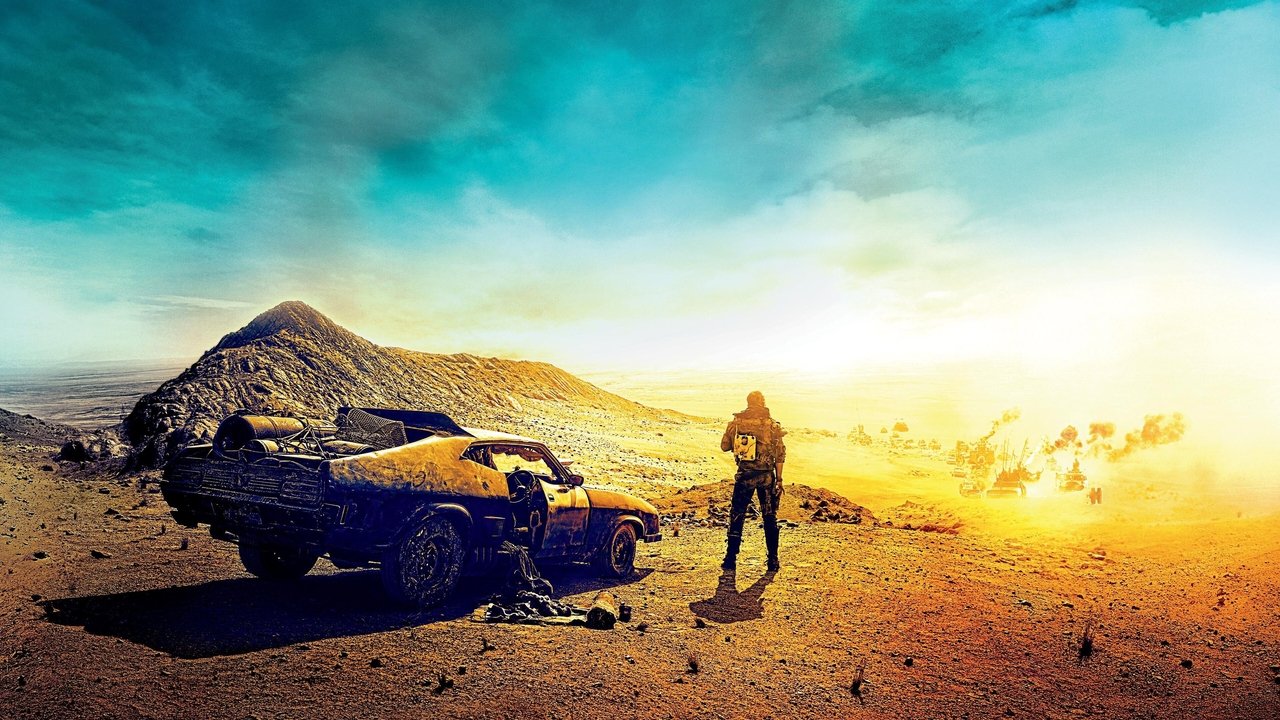
George Miller reduces the chase movie to pure movement, then rebuilds it as a story of escape, solidarity, and return. Every vehicle communicates character; every cut clarifies geography; every practical collision feels like design on the edge of chaos.
View Mad Max: Fury Road on Stellar
90. The Dark Knight (2008)
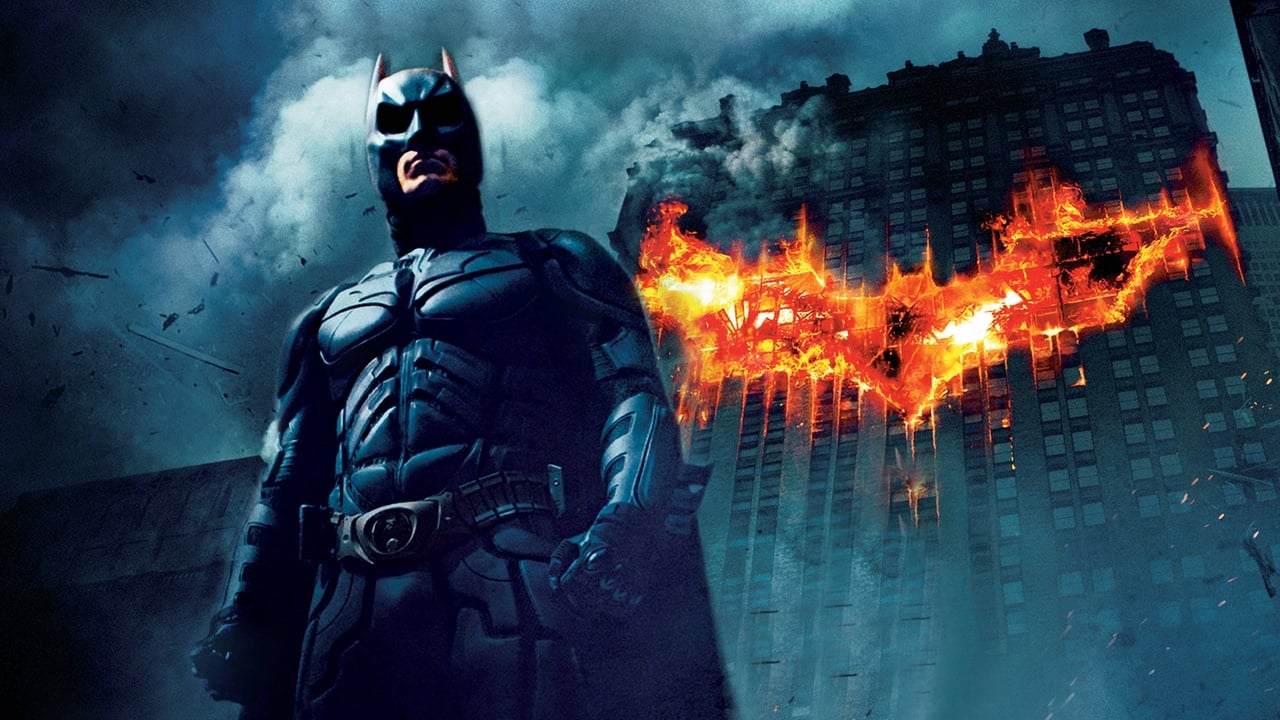
Christopher Nolan stretches a comic-book conflict across crime epic, urban thriller, and civic nightmare. Its villain attacks the stories people tell about order, forcing heroism to become a costly choice rather than a pose.
View The Dark Knight on Stellar
89. Moonlight (2016)
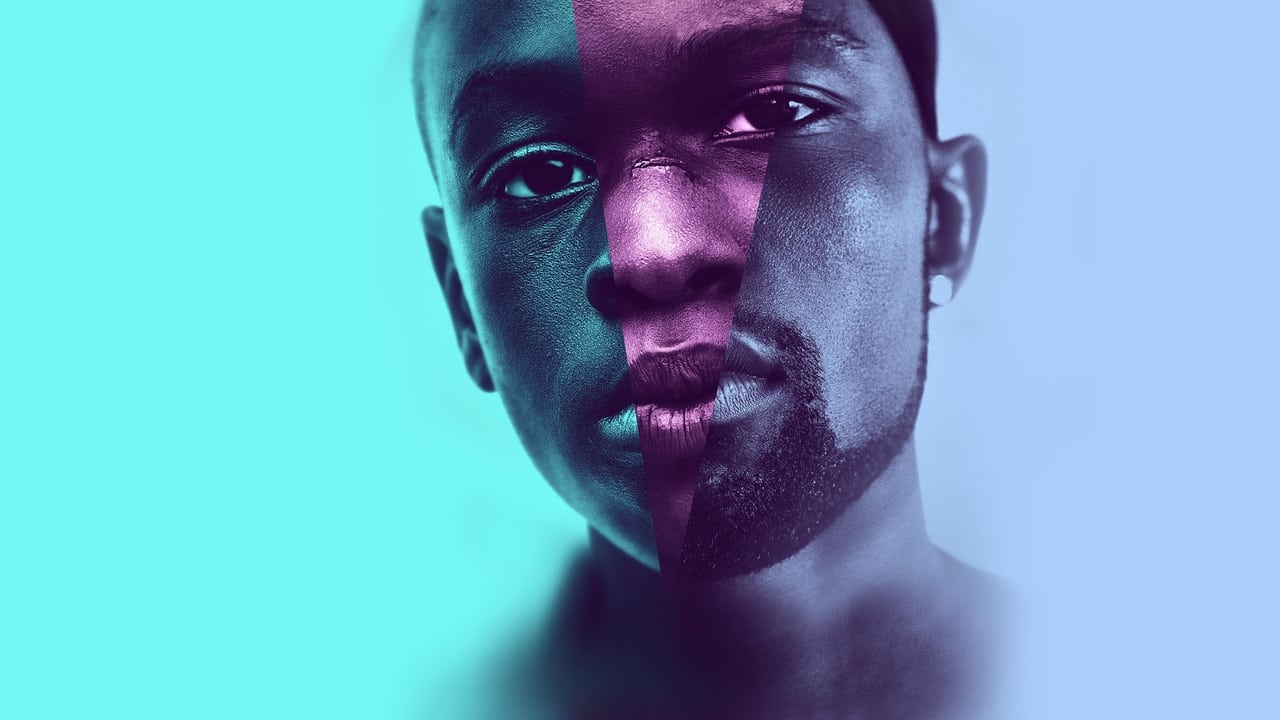
Three actors embody one life without imitation, connected by posture, silence, and unmet need. Barry Jenkins gives tenderness the same visual weight that movies often reserve for spectacle, letting color and touch say what the characters cannot.
88. The Social Network (2010)
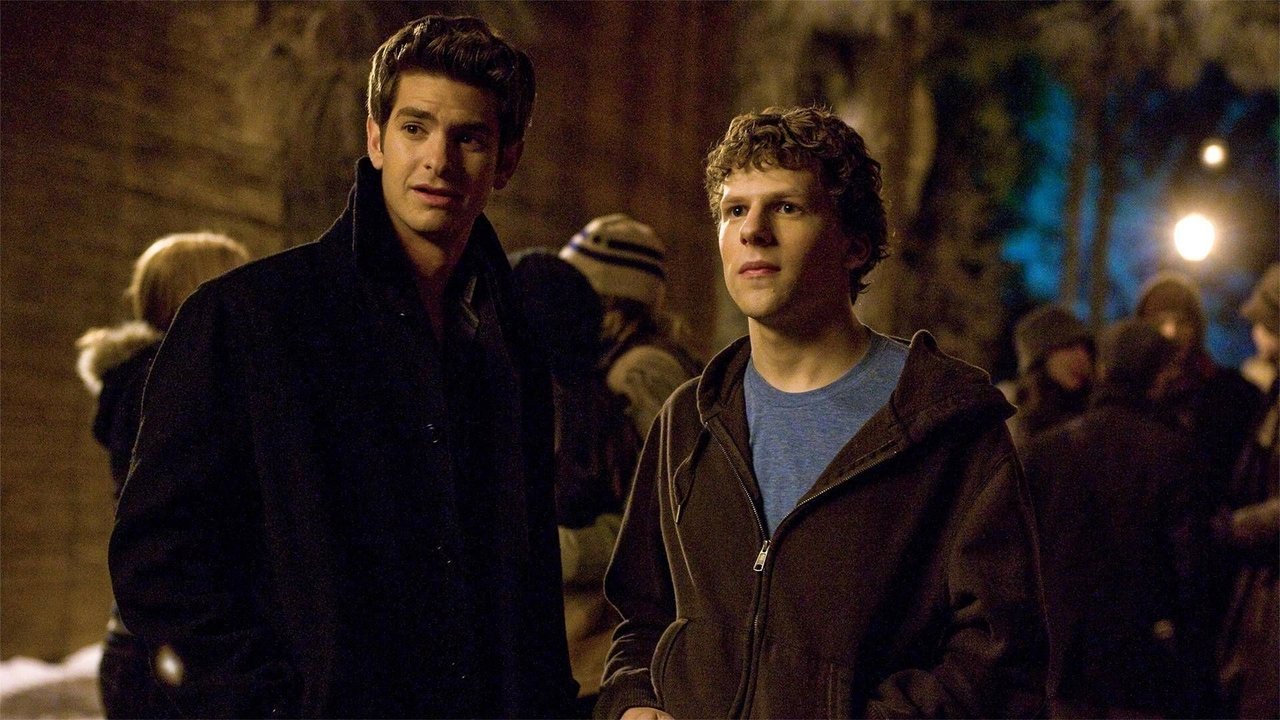
Code, contracts, and deposition rooms become the machinery of a classical betrayal. David Fincher's precision and Aaron Sorkin's velocity capture a digital revolution powered by recognizable hunger: status, belonging, revenge, and control.
View The Social Network on Stellar
87. The Handmaiden (2016)

Park Chan-wook's ornate thriller keeps rotating perspective until every act of looking must be reconsidered. Deception becomes collaboration, and lavish surfaces conceal a fiercely funny escape from systems built to script women's lives.
View The Handmaiden on Stellar
86. WALL·E (2008)

Pixar trusts gesture, sound, and screen direction to make a trash-compacting robot one of animation's most expressive romantics. The cosmic adventure never loses the simple miracle at its center: curiosity can wake a person—or a planet—back up.
85. The Exorcist (1973)
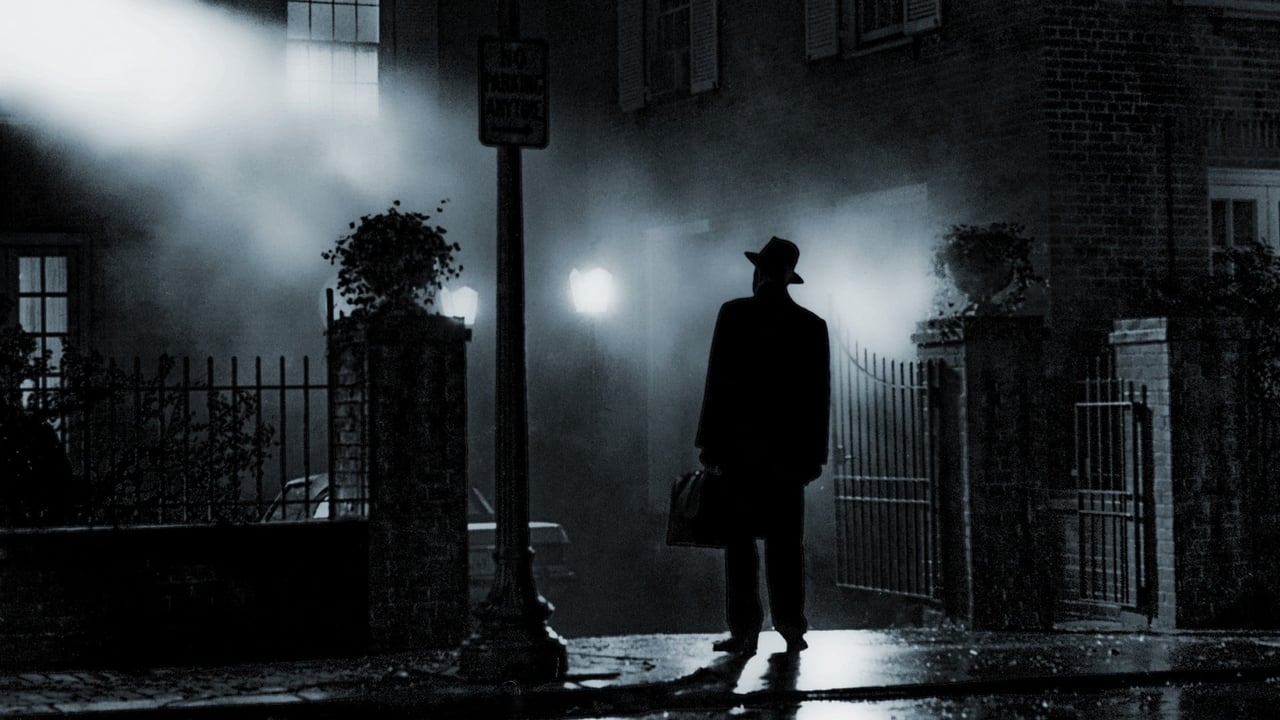
William Friedkin approaches possession with the grave texture of a procedural. Its shocks endure, but the deeper fear is parental helplessness, met by a tired priest trying to recover enough faith to act.
84. Get Out (2017)
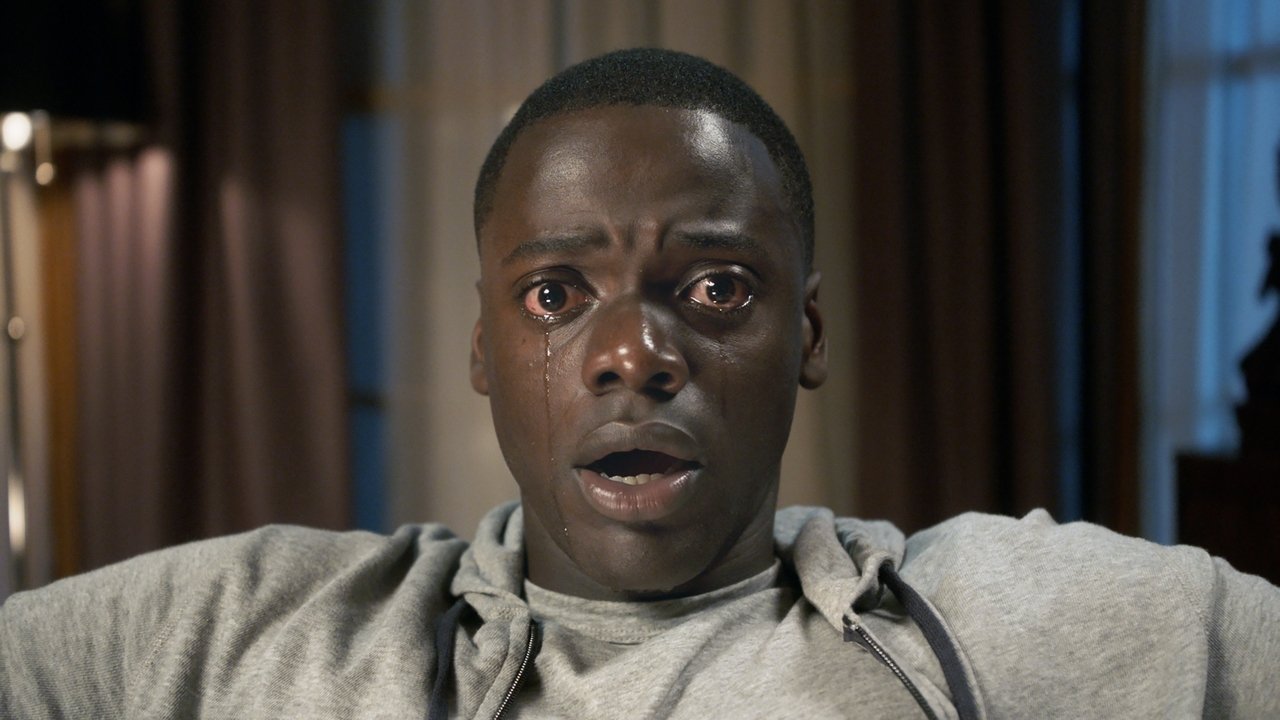
Jordan Peele converts social unease into a horror mechanism where every compliment carries a threat. The film is funny enough to lower the guard, exact enough to reward repeat viewing, and furious enough to make metaphor feel physical.
83. Memories of Murder (2003)
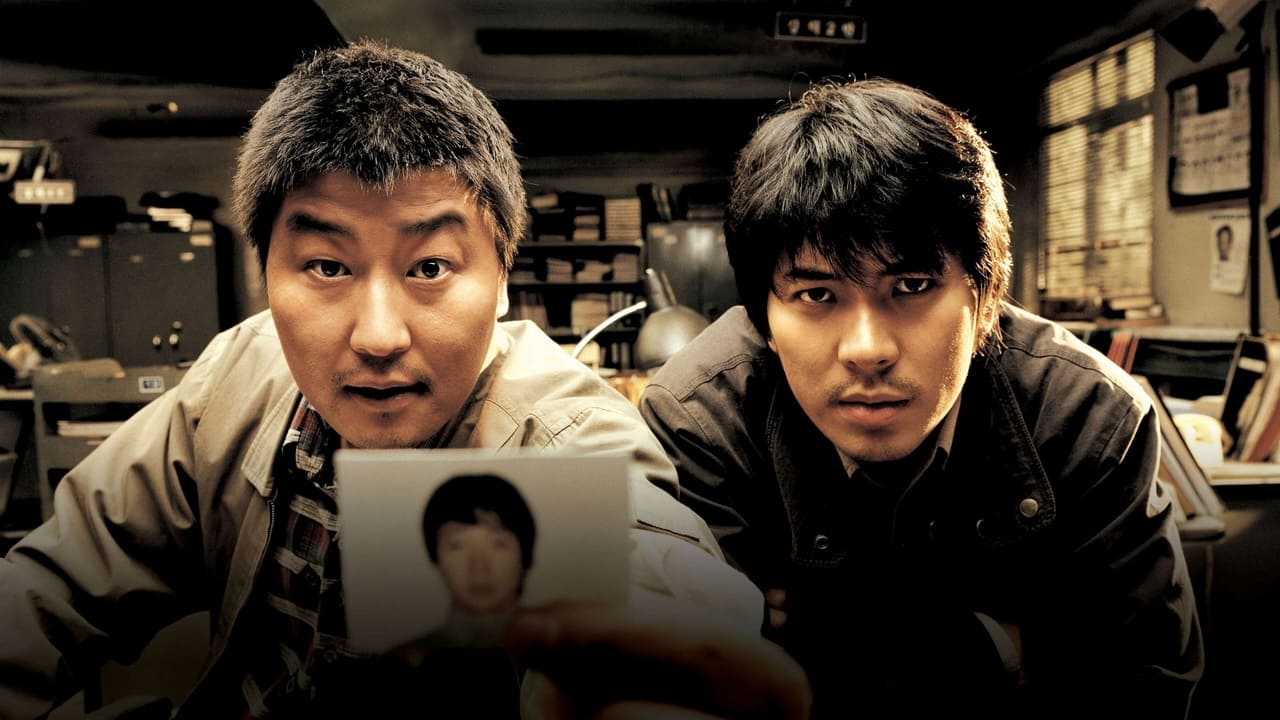
Bong Joon Ho shifts from slapstick to dread without announcing the border. A failed investigation becomes a portrait of institutions improvising authority, while the final gaze sends the unresolved case beyond the frame.
View Memories of Murder on Stellar
82. Before Sunrise (1995)
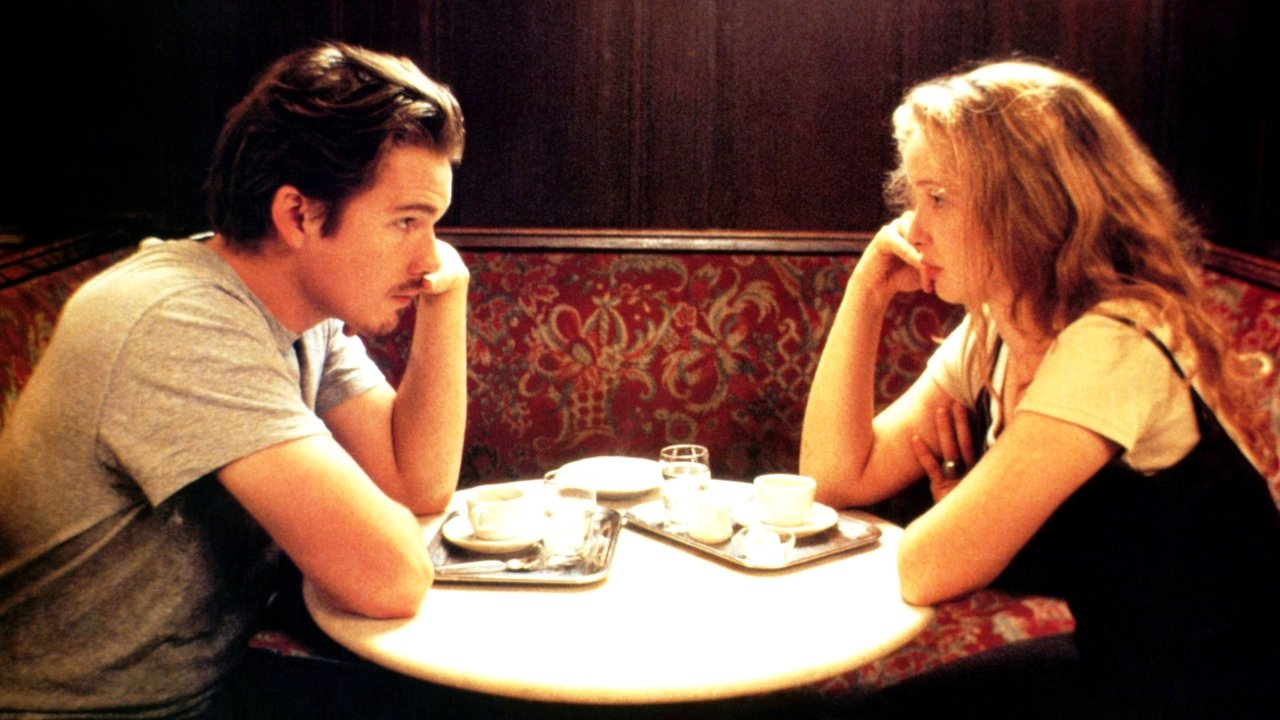
Two strangers walk through Vienna and talk themselves into a temporary world. Richard Linklater understands that attraction lives not only in what people reveal, but in how eagerly they listen and revise themselves in real time.
View Before Sunrise on Stellar
81. Her (2013)
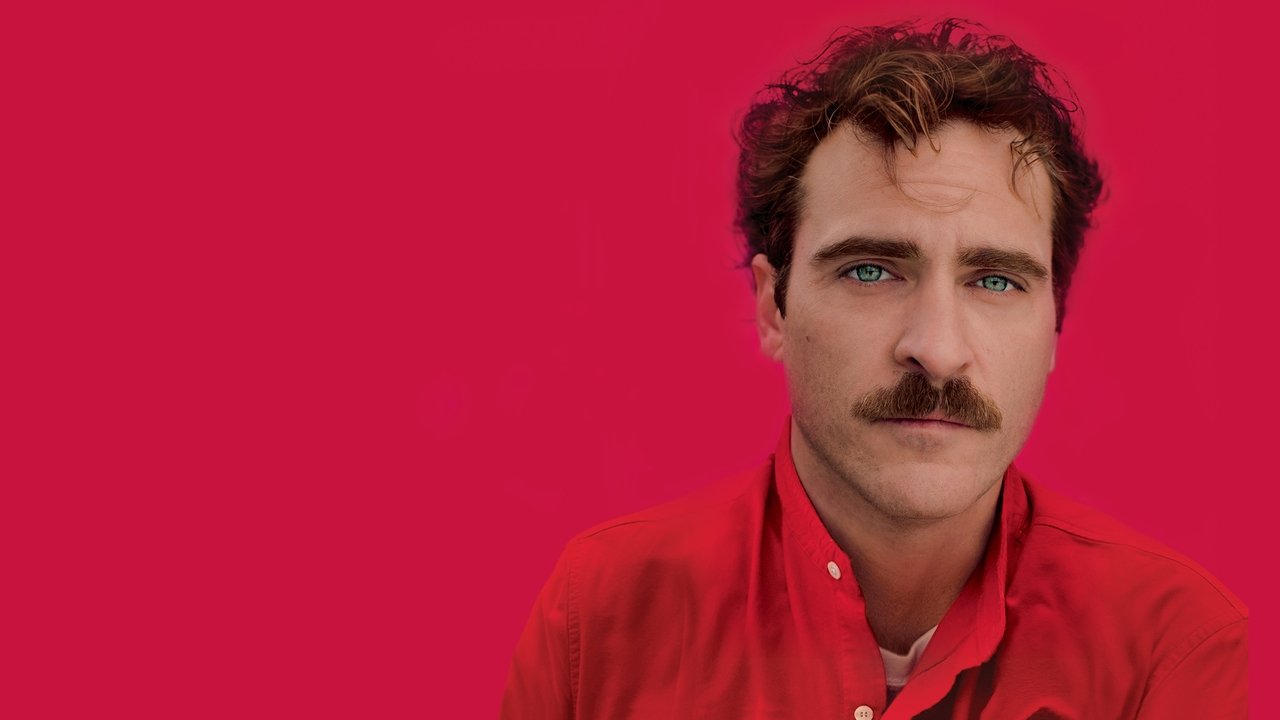
Spike Jonze imagines near-future technology through warm fabric, soft light, and emotional convenience. The central relationship is persuasive because the film treats artificial intelligence less as a puzzle than as a mirror for human projection and change.
80–61: genre machines with human hearts
80. The Truman Show (1998)
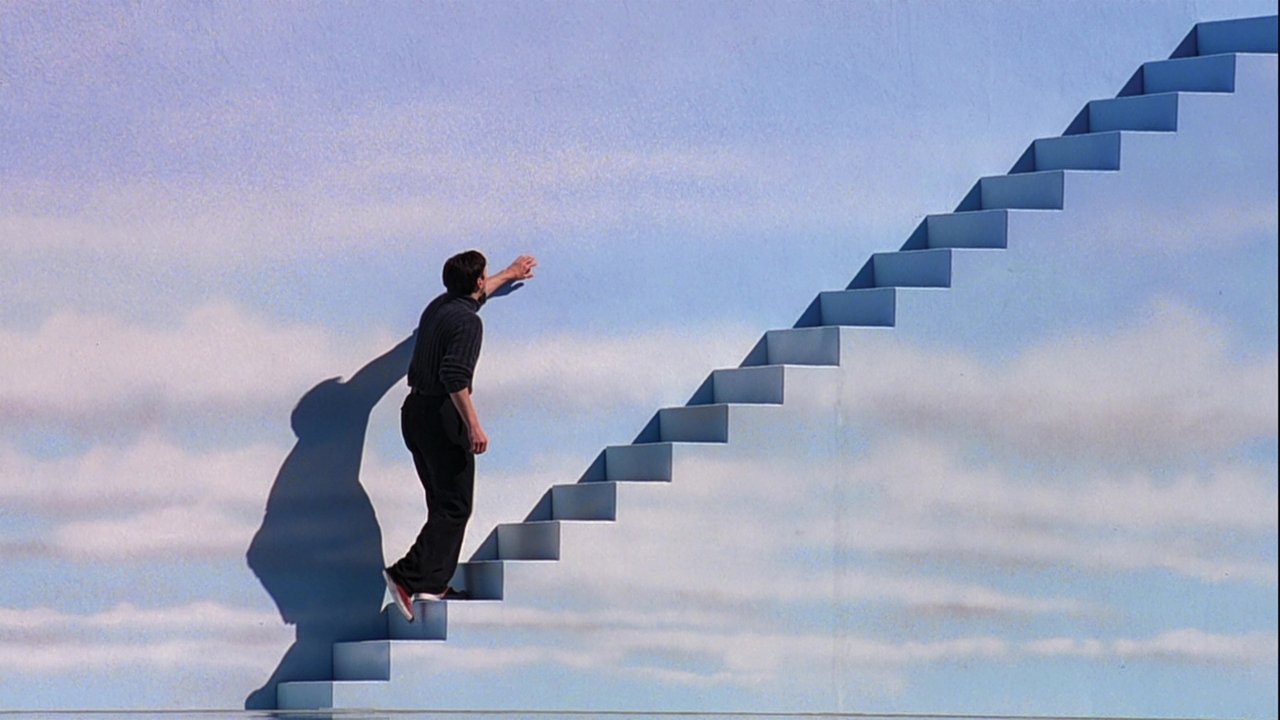
Peter Weir turns a bright television town into a prison built from product placement and affection. Jim Carrey's openness makes Truman's awakening moving: freedom begins when he recognizes that a perfectly managed world cannot love him back.
View The Truman Show on Stellar
79. The Matrix (1999)
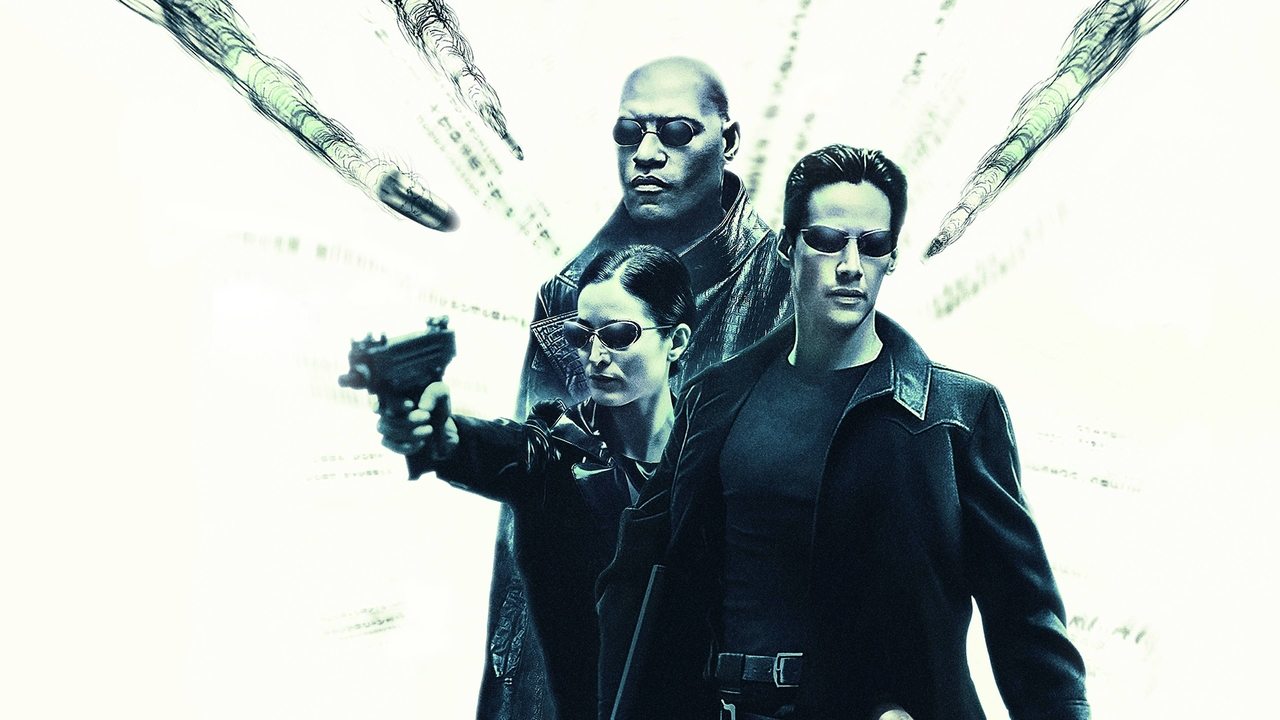
The Wachowskis fuse cyberpunk, martial arts, anime, philosophy, and leather-clad cool into a new blockbuster grammar. Its effects changed action cinema, but the liberating promise underneath them—your assigned reality is not the limit—gave the images permanence.
78. Alien (1979)
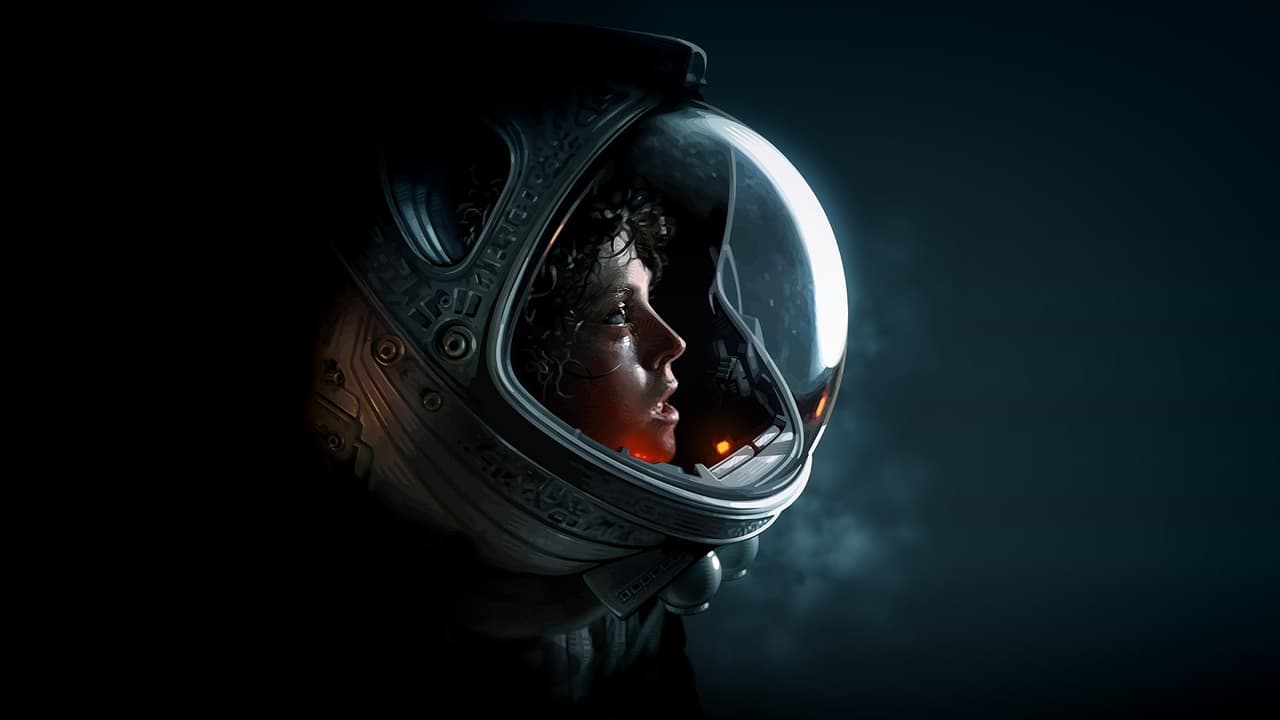
Ridley Scott makes outer space industrial, underlit, and governed by a company that values cargo over workers. The creature is unforgettable because the surrounding ship already feels like a hostile organism full of vents, corridors, and concealed priorities.
77. The Empire Strikes Back (1980)
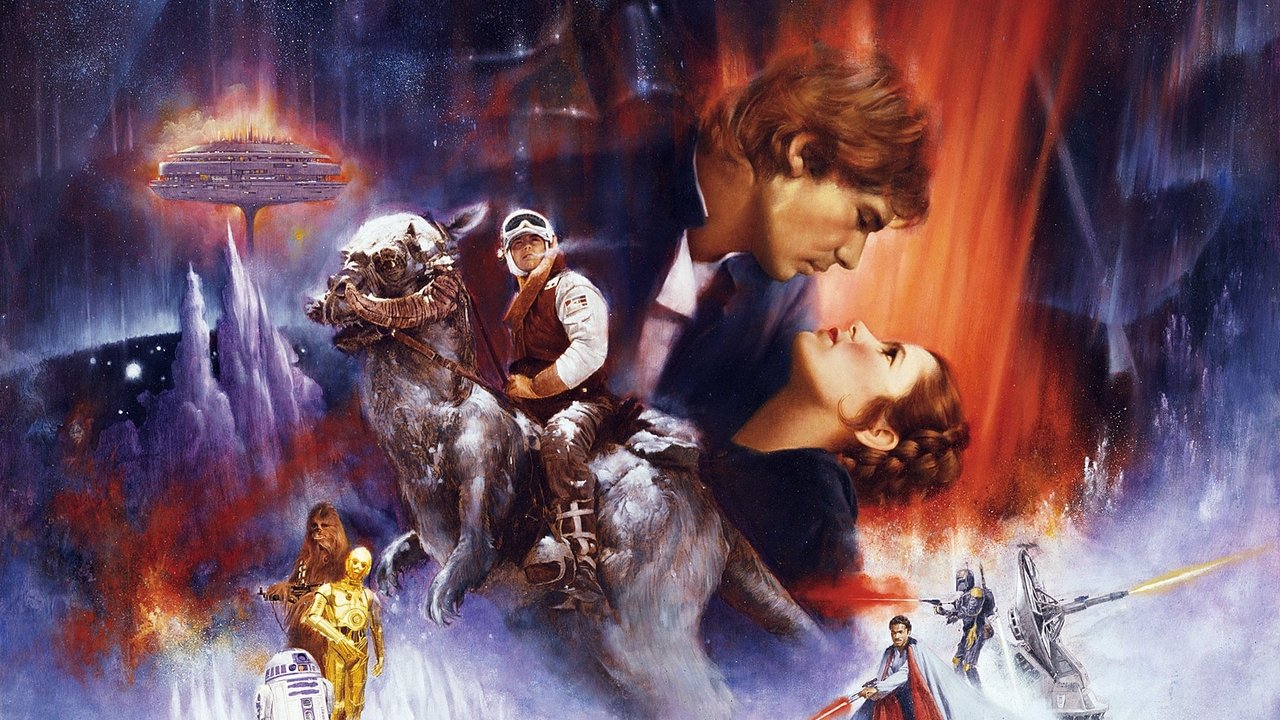
The space adventure deepens by allowing victory to fragment into doubt, separation, and revelation. Irvin Kershner gives the fantasy room for silence and intimacy, proving that a sequel can expand a universe by making it more personal.
View The Empire Strikes Back on Stellar
76. Die Hard (1988)

An office tower becomes a legible action playground where every staircase, radio, elevator, and bare-footed detour matters. Bruce Willis makes vulnerability part of the heroism, while Alan Rickman gives control a velvet voice.
75. Jurassic Park (1993)
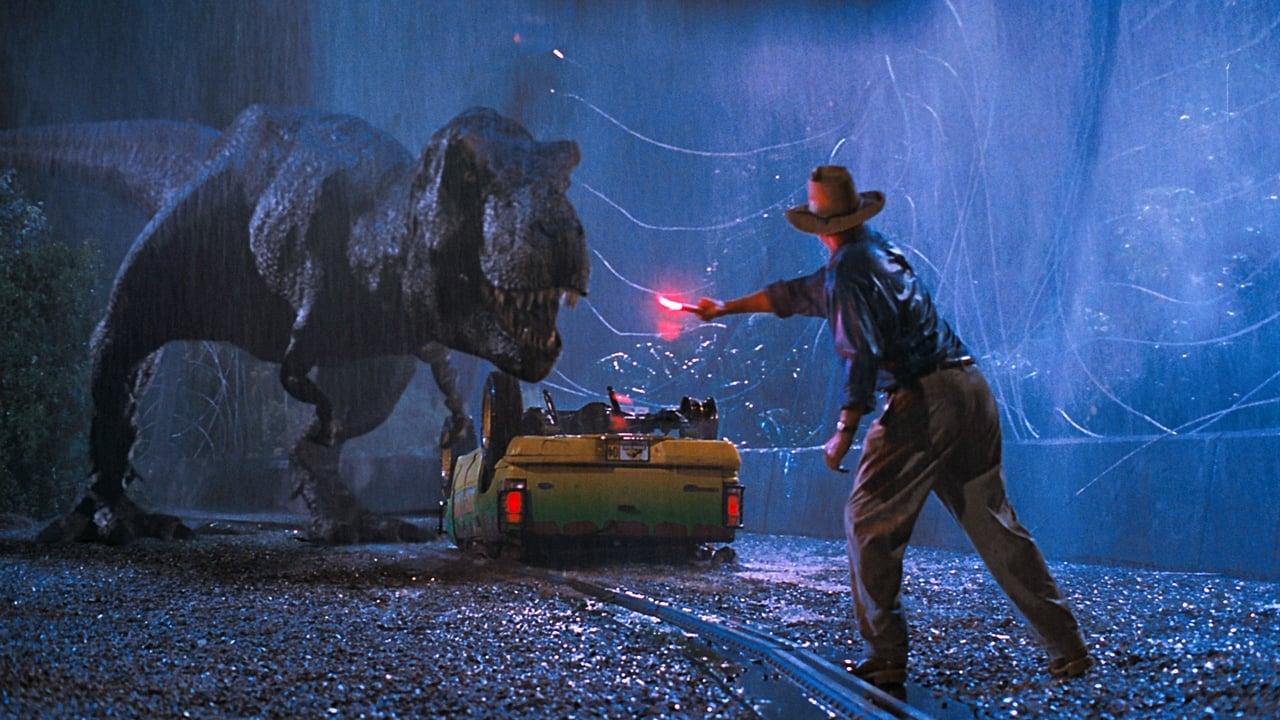
Steven Spielberg stages digital wonder with classical patience: reaction first, revelation second. The dinosaurs still convince because weight, weather, sound, and human awe sell the illusion before spectacle accelerates into survival.
74. Raiders of the Lost Ark (1981)

Every prop becomes a problem and every solution creates another trap. Spielberg and George Lucas revive serial adventure with ruthless clarity, while Harrison Ford's battered timing keeps the fantasy grounded in effort, panic, and luck.
View Raiders of the Lost Ark on Stellar
73. Back to the Future (1985)
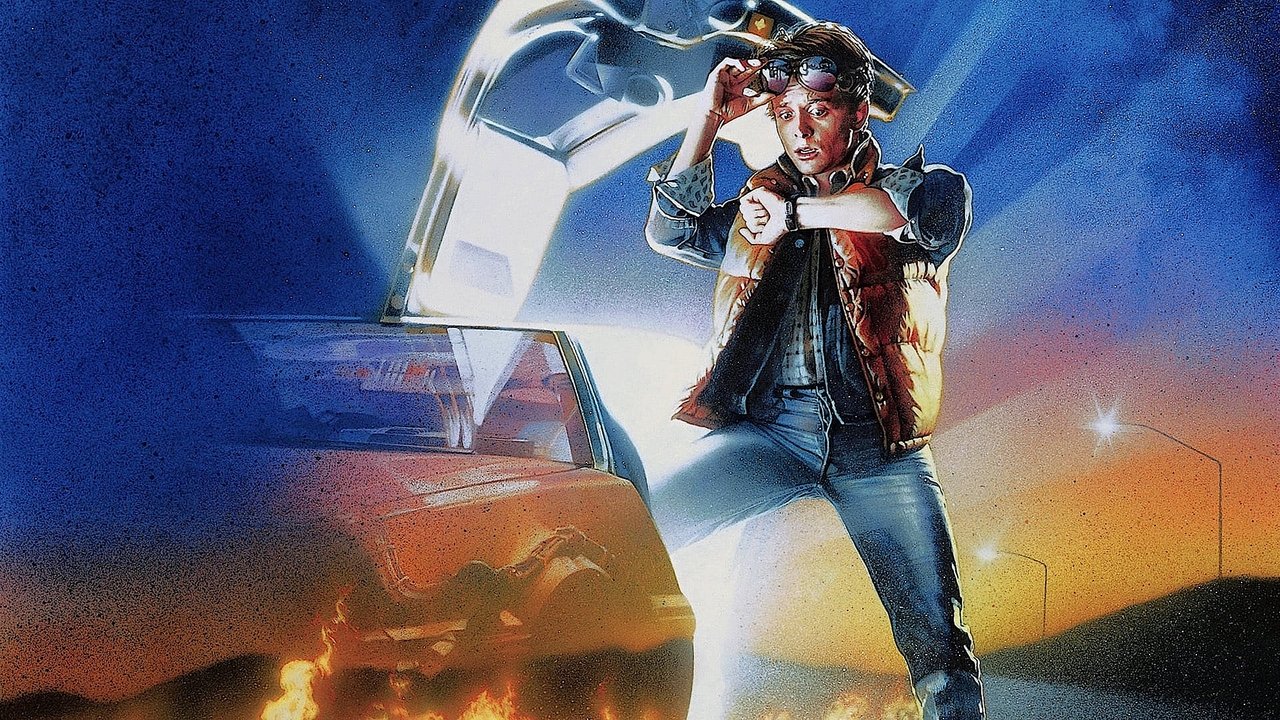
The screenplay plants clocks, photographs, gestures, and family stories that pay off with machine-like satisfaction. Yet the movie never feels mechanical because Michael J. Fox and Christopher Lloyd keep its time-travel logic buoyed by friendship and comic urgency.
View Back to the Future on Stellar
72. Princess Mononoke (1997)

Hayao Miyazaki refuses to reduce environmental conflict to pure heroes and villains. Forest gods, workers, warriors, and animals all occupy a world of competing needs, drawn with beauty fierce enough to hold contradiction.
View Princess Mononoke on Stellar
71. Jaws (1975)

A broken mechanical shark encouraged Spielberg to build fear through absence, point of view, and John Williams' two-note warning. Once the hunt leaves shore, three incompatible men turn a blockbuster into an unusually precise character piece.
70. Terminator 2: Judgment Day (1991)

James Cameron's sequel scales up every chase while reversing the emotional function of its most iconic machine. The effects remain startling, but the film's real engine is the idea that learned care might interrupt an inherited future.
View Terminator 2: Judgment Day on Stellar
69. The Silence of the Lambs (1991)

Jonathan Demme turns direct address into psychological pressure: characters stare near the lens, placing Clarice inside every judgment. Jodie Foster's alert intelligence holds the film steady against two different performances of predatory power.
View The Silence of the Lambs on Stellar
68. Fargo (1996)
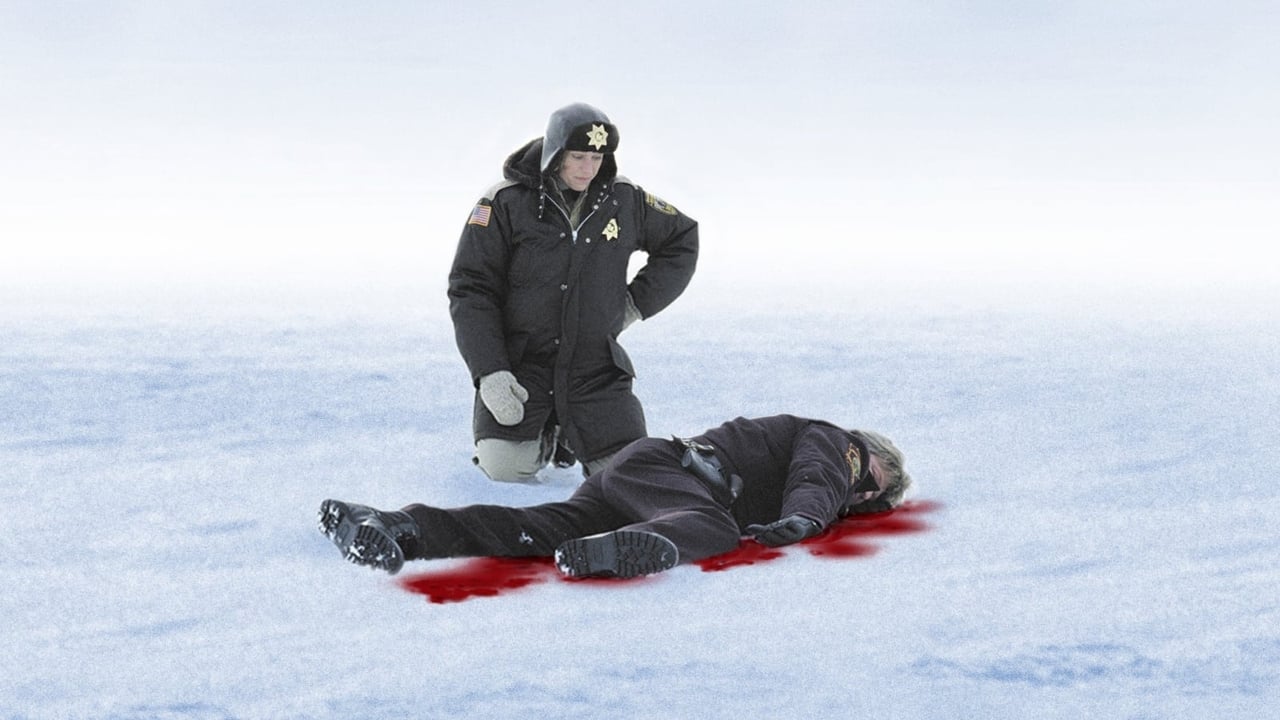
The Coen brothers scatter desperate crime across white landscapes where every dark shape becomes absurdly visible. Frances McDormand's humane competence supplies the moral center, making ordinary decency seem both modest and profound.
67. No Country for Old Men (2007)
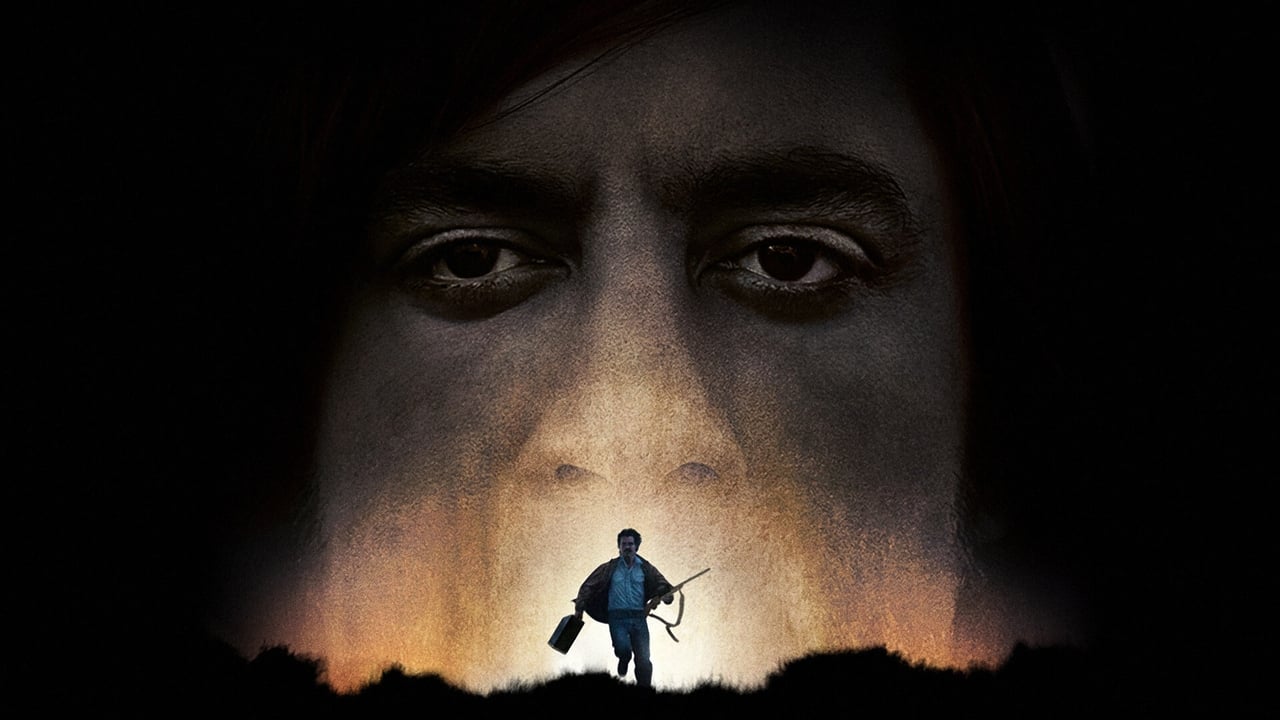
Money moving through empty Texas creates a chain of choices that feels at once brutally physical and metaphysical. The Coens strip away musical reassurance, leaving footsteps, compressed air, and aging lawmen to measure a changing world.
View No Country for Old Men on Stellar
66. There Will Be Blood (2007)

Paul Thomas Anderson frames capitalism as excavation: earth, oil, family, faith, and language are all resources to be claimed. Daniel Day-Lewis makes ambition volcanic, matched by Jonny Greenwood's score and images of industry swallowing landscape.
View There Will Be Blood on Stellar
65. Whiplash (2014)
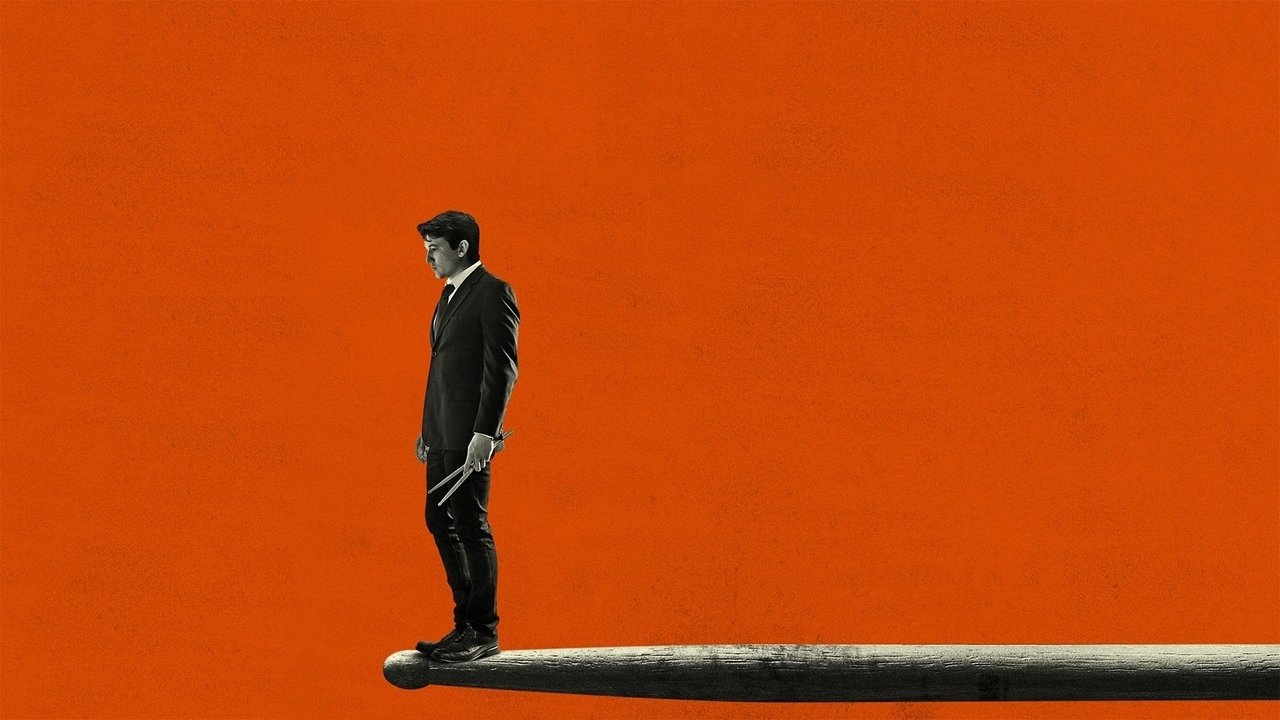
Damien Chazelle cuts rehearsal like combat and performance like a heist. The film's exhilarating momentum never settles its central question: whether greatness has been achieved, or whether abuse has taught everyone to applaud the damage.
64. Eternal Sunshine of the Spotless Mind (2004)

Michel Gondry's collapsing sets give memory a handmade instability, while Charlie Kaufman's structure turns romantic regret into a maze. Its final grace is accepting that knowledge of failure does not make connection meaningless.
View Eternal Sunshine of the Spotless Mind on Stellar
63. Chungking Express (1994)
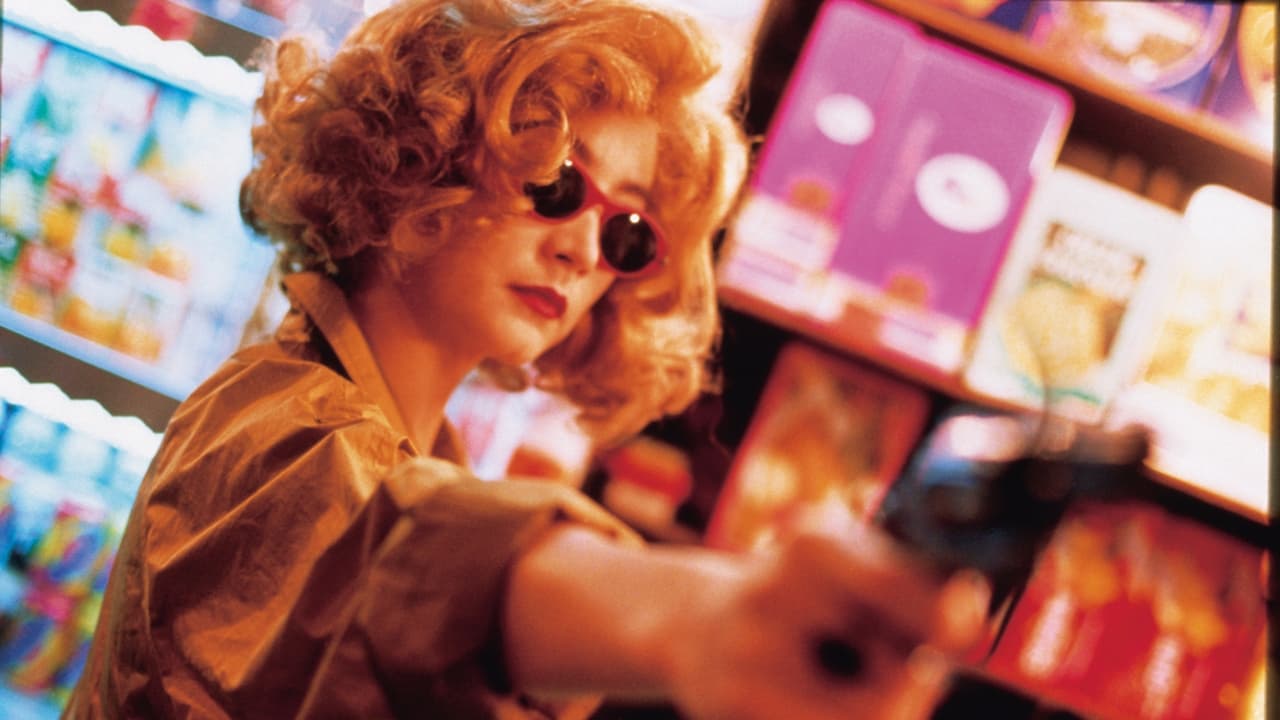
Wong Kar-wai catches loneliness in snack bars, crowded streets, repeated songs, and objects recruited as confidants. The rush of step-printed motion makes the city blur while tiny private hopes remain sharply, charmingly specific.
View Chungking Express on Stellar
62. Yi Yi (2000)

Edward Yang observes one Taipei family across weddings, illness, work, first love, and old regret. His generous distance lets small moments accumulate until ordinary life appears inexhaustibly complex rather than merely routine.
61. A Separation (2011)
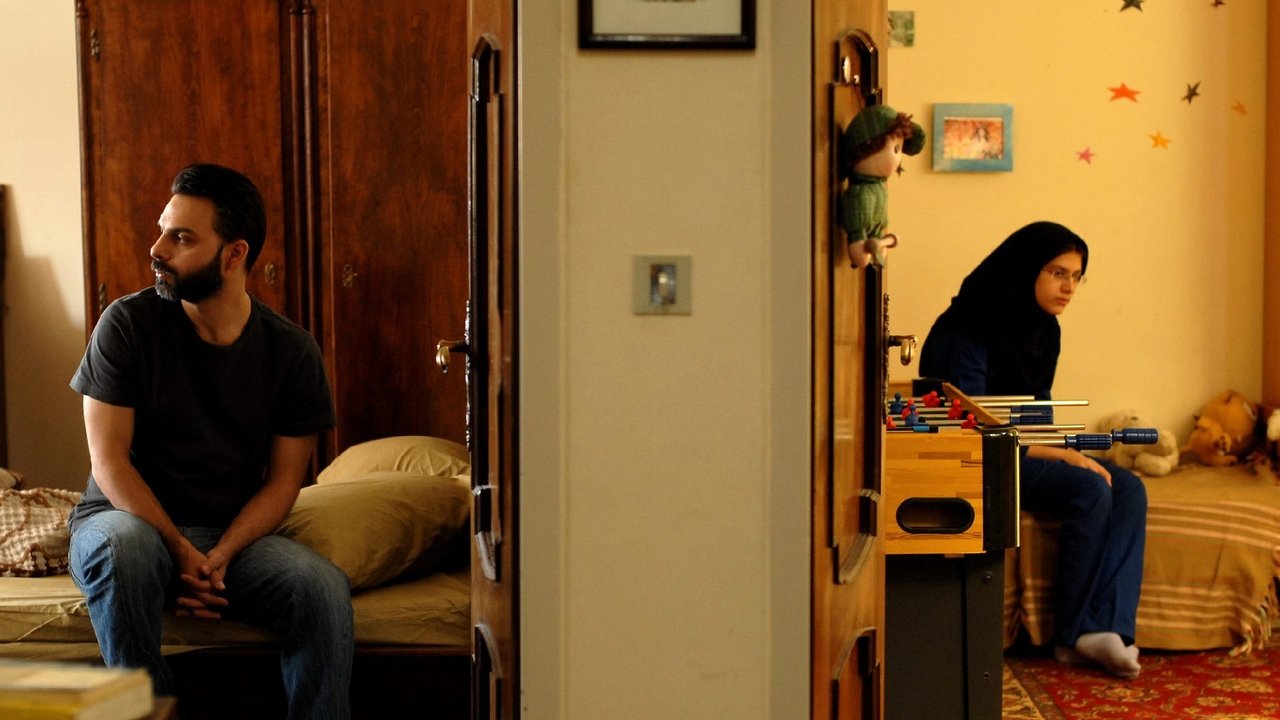
Asghar Farhadi begins with a marriage dispute and reveals a network of class, care, belief, and self-protection. Each new fact changes the moral balance without granting anyone the comfort of complete innocence.
60–41: Memory, movement, and moral choices
60. City of God (2002)
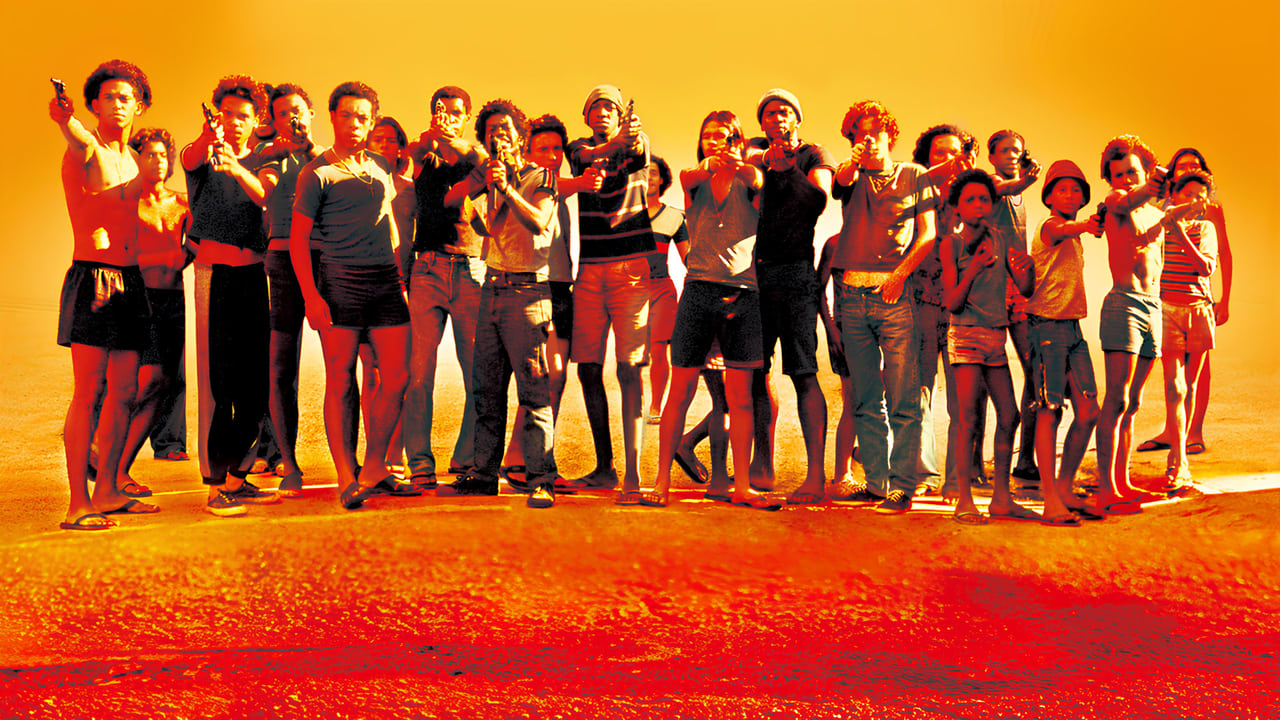
Fernando Meirelles and Kátia Lund give their crime chronicle a frightening velocity without losing sight of the children trapped inside it. Rocket's camera becomes both a survival tool and a witness to a neighborhood reshaped by power.
59. Oldboy (2003)

Park Chan-wook turns revenge into baroque tragedy, moving from brutal physical invention to emotional devastation. Its famous shocks matter because the film understands that obsession does not end with an answer—it simply changes the shape of the prison.
58. Cinema Paradiso (1988)
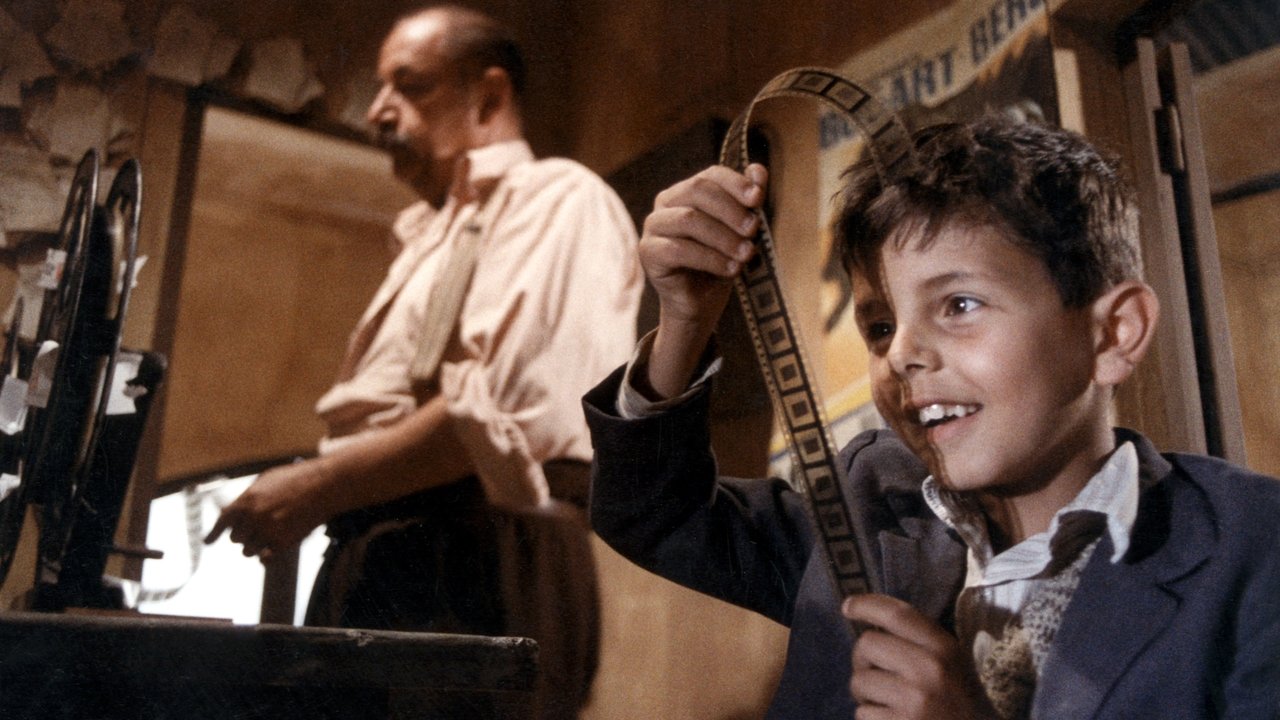
Giuseppe Tornatore's ode to moviegoing finds its heart in the friendship between a boy and a projectionist. Nostalgia here is not an escape from change, but a way of measuring everything that art allowed a life to become.
View Cinema Paradiso on Stellar
57. Amélie (2001)

Jean-Pierre Jeunet builds a Paris of saturated color, clockwork coincidences, and private rituals. Beneath the whimsy is a precise portrait of a woman who can rearrange strangers' lives more easily than risk being seen in her own.
56. The Seventh Seal (1957)
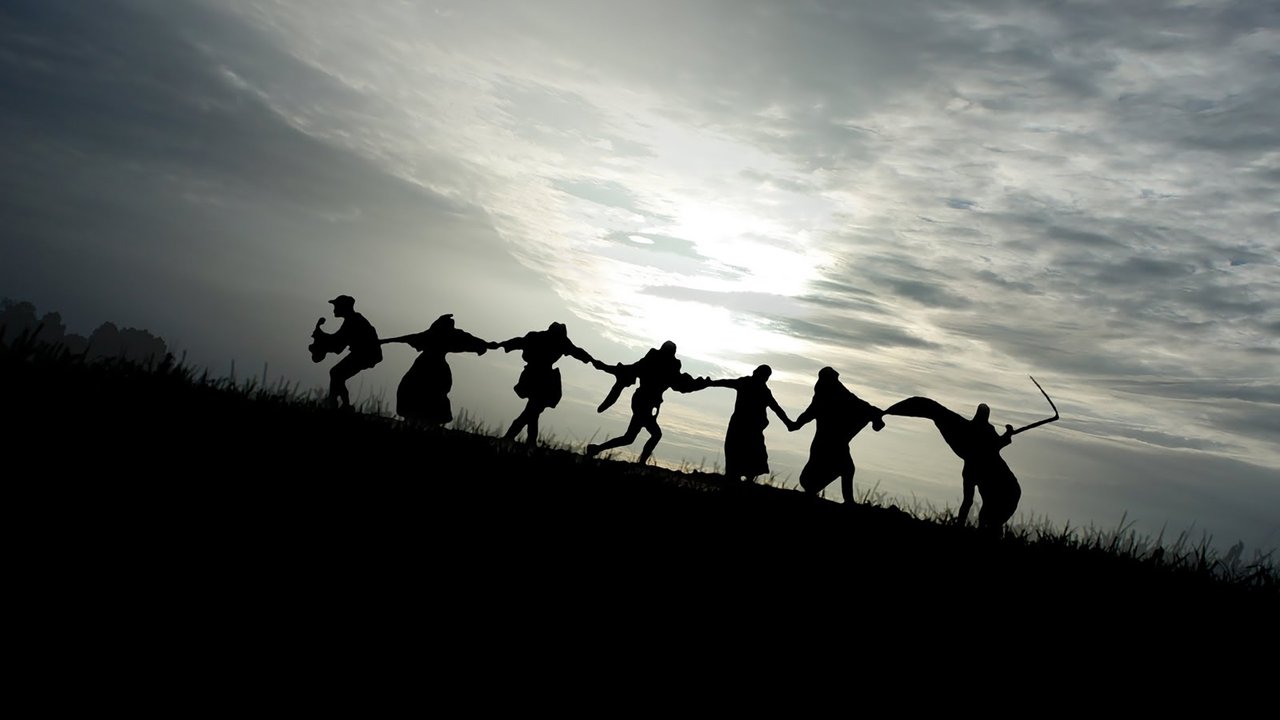
Ingmar Bergman's knight plays chess with Death while plague and doubt move across the land. Its solemn iconography endures, but so does its dry humor and tender conviction that small human kindness can answer an indifferent universe.
View The Seventh Seal on Stellar
55. Persona (1966)

Bergman strips cinema down to faces, voices, light, and the instability between performance and identity. Liv Ullmann and Bibi Andersson seem to trade pieces of themselves until confession becomes aggression and the image itself appears ready to tear.
54. Stalker (1979)
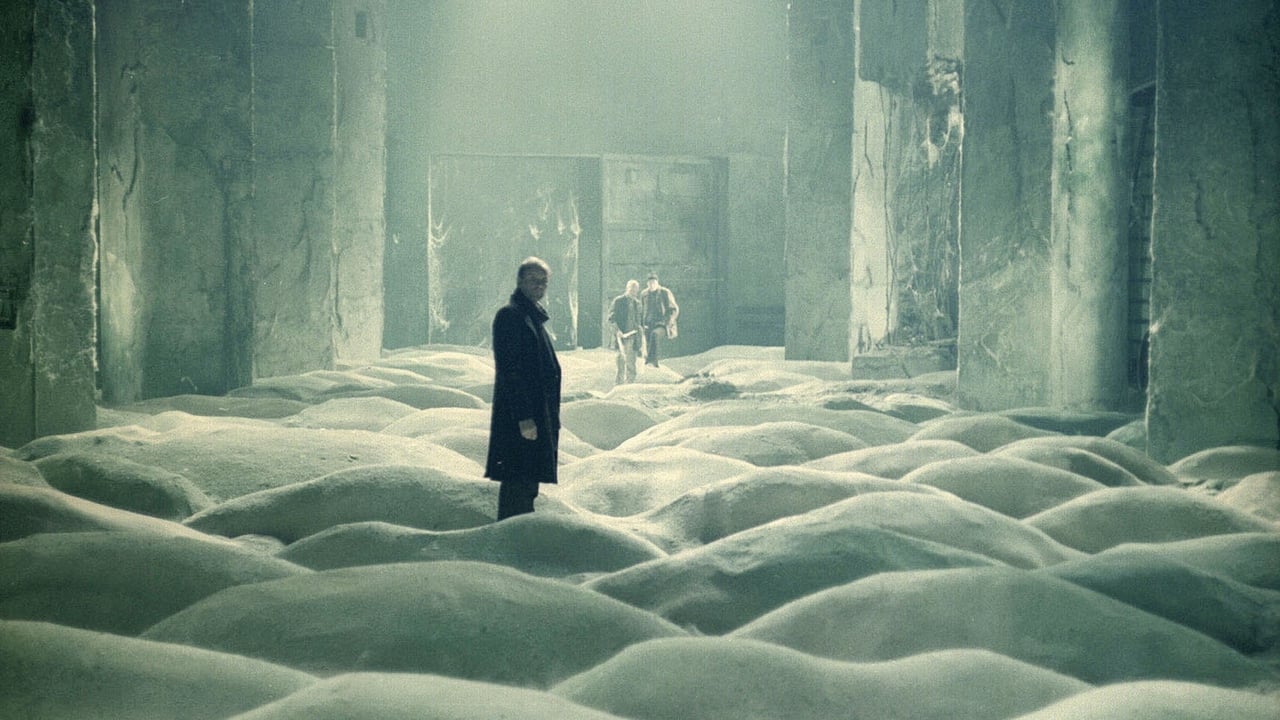
Andrei Tarkovsky leads three men through the Zone, a landscape where desire may become real and certainty dissolves. Its patient movement turns puddles, ruins, and weeds into spiritual terrain, asking whether anyone truly wants what they claim to seek.
53. The 400 Blows (1959)
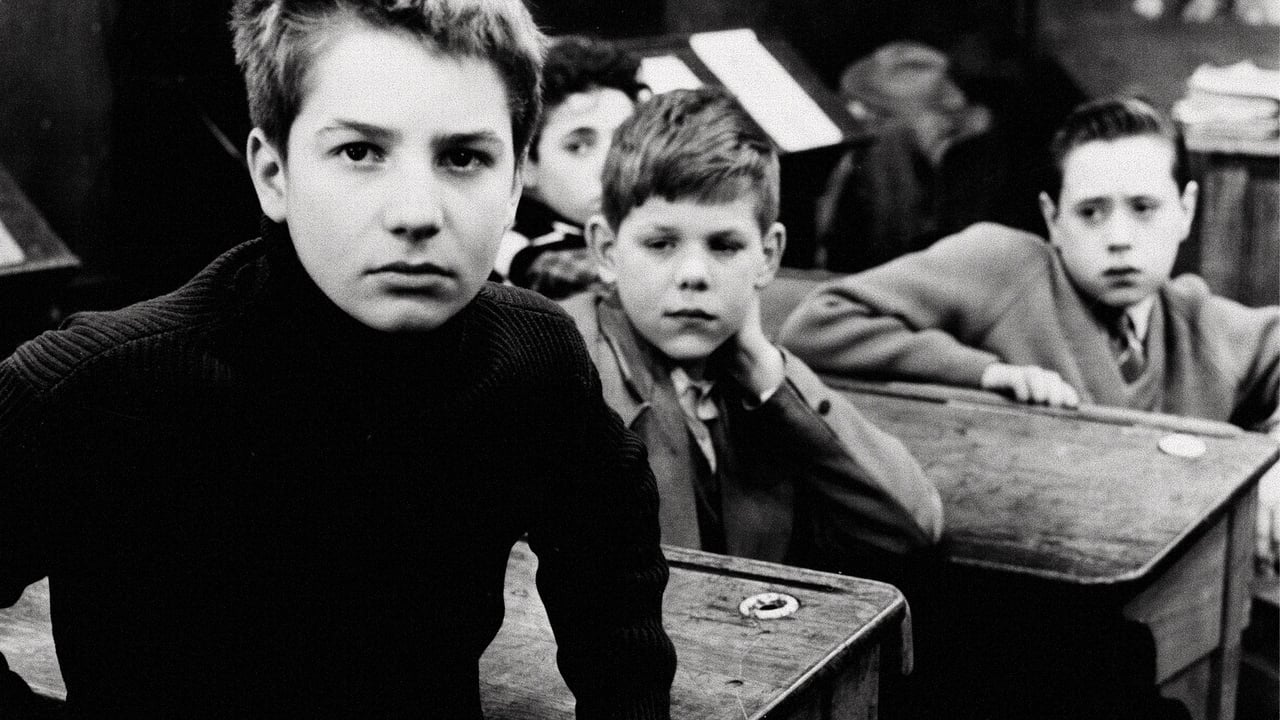
François Truffaut follows Antoine Doinel with the alert sympathy of someone who remembers how childhood injustice feels. The film's looseness becomes freedom, right up to a final look that leaves escape and uncertainty held in the same frame.
52. The Passion of Joan of Arc (1928)

Carl Theodor Dreyer makes a trial feel immediate through radical close-ups and stark, disorienting space. Renée Jeanne Falconetti's performance holds conviction, fear, and exhaustion so openly that a silent film becomes almost unbearably intimate.
View The Passion of Joan of Arc on Stellar
51. Metropolis (1927)

Fritz Lang's towering city, mechanical workers, and unforgettable robot remain a foundation for screen science fiction. The politics may be blunt, but the visual imagination is monumental: industry rendered as ritual, architecture as ideology, spectacle as warning.
50. Modern Times (1936)
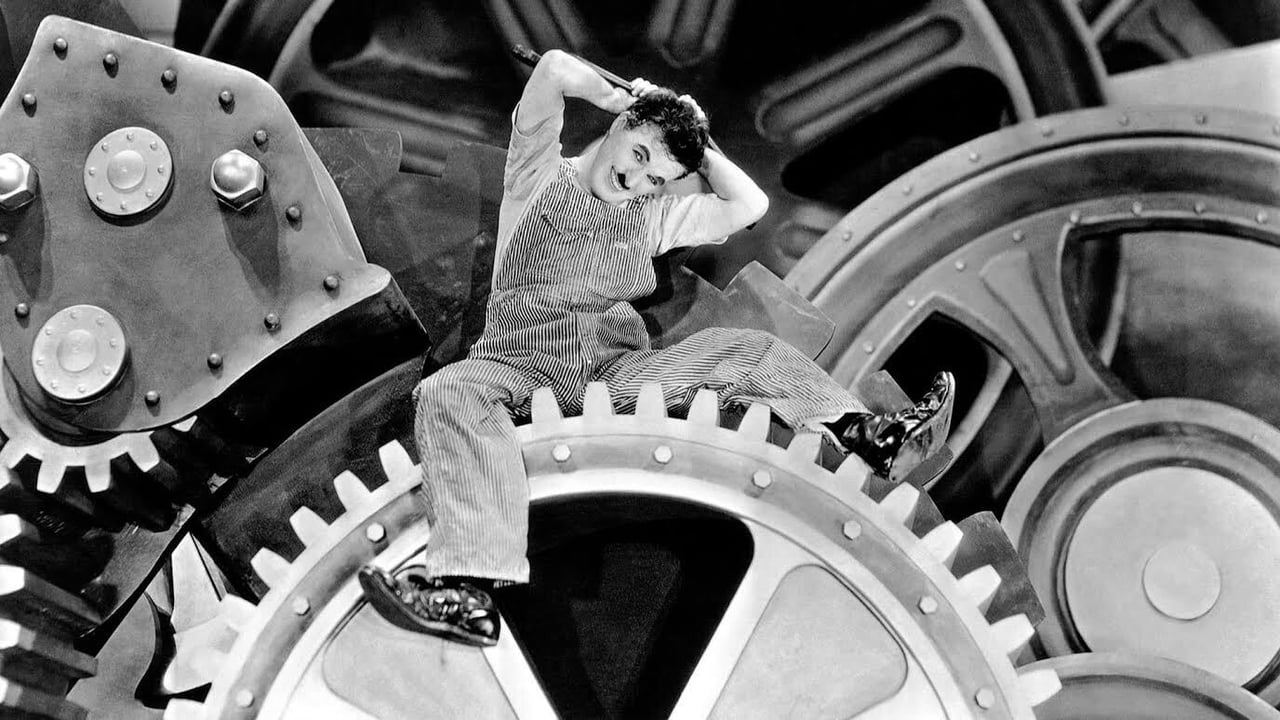
Charlie Chaplin sends the Tramp through gears, assembly lines, jail cells, and precarious employment. The comedy is exquisitely engineered, yet its lasting warmth comes from two outsiders choosing hope when the modern world treats people as replaceable parts.
49. Singin' in the Rain (1952)

Gene Kelly and Stanley Donen turn Hollywood's transition to sound into effortless-seeming musical joy. Every joke, tap, splash, and color lands with precision, while the story quietly honors the invisible craftspeople who make movie magic possible.
View Singin' in the Rain on Stellar
48. Some Like It Hot (1959)
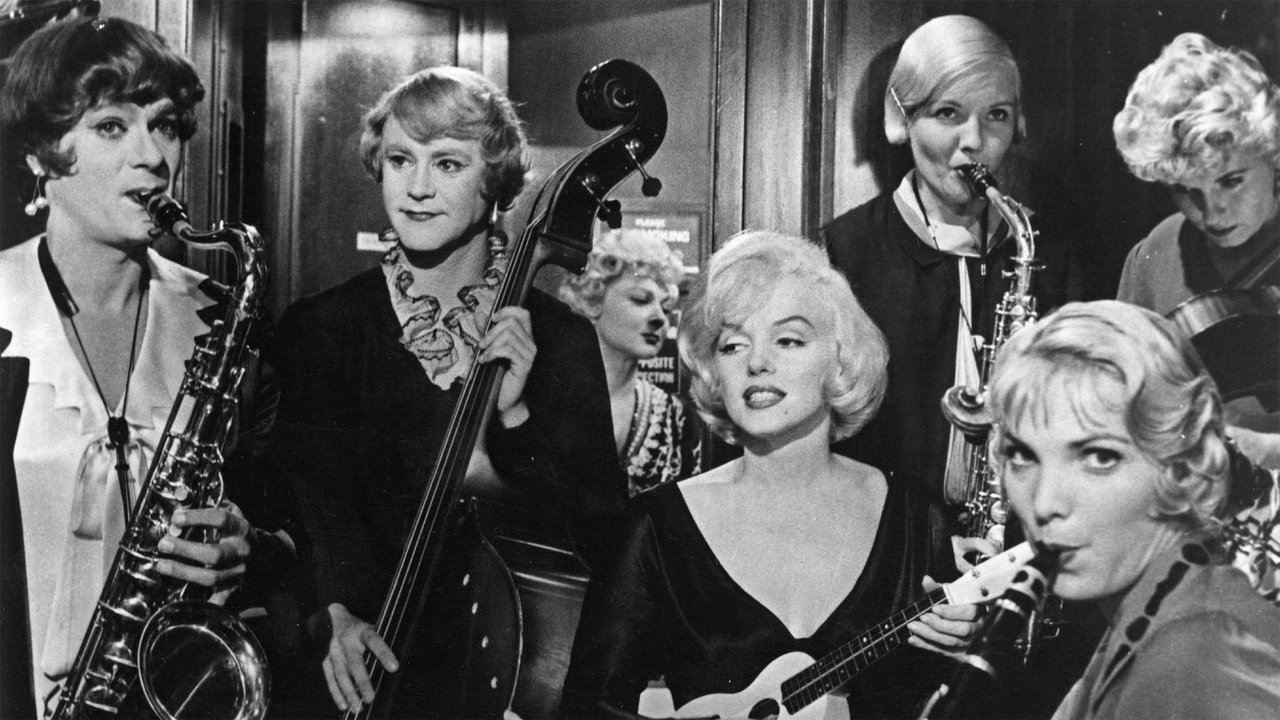
Billy Wilder keeps gangsters, disguises, romance, and one-liners moving at screwball speed. Tony Curtis, Jack Lemmon, and Marilyn Monroe find real longing inside the farce, leading to a final punchline whose generosity still feels liberating.
View Some Like It Hot on Stellar
47. The Red Shoes (1948)
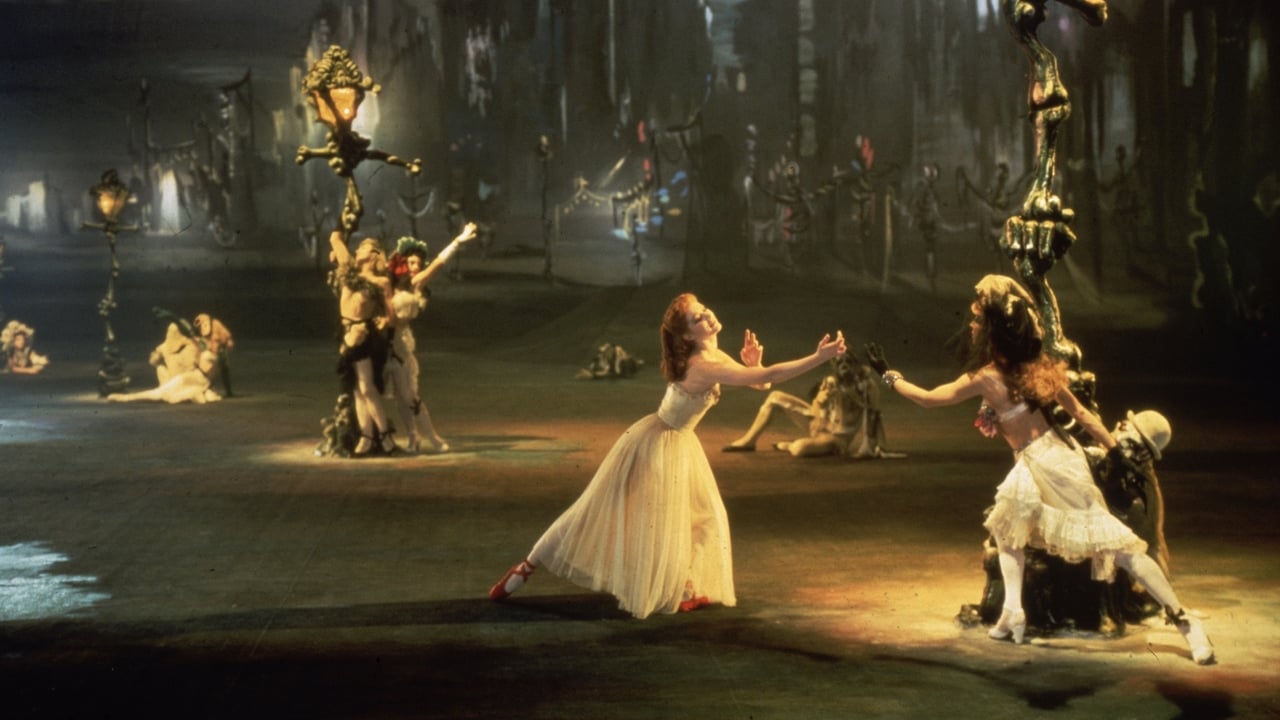
Michael Powell and Emeric Pressburger transform artistic obsession into blazing Technicolor fantasy. The central ballet breaks free of stage reality, making ambition, love, and self-destruction visible in a sequence that seems to invent its own cinematic language.
46. Bicycle Thieves (1948)
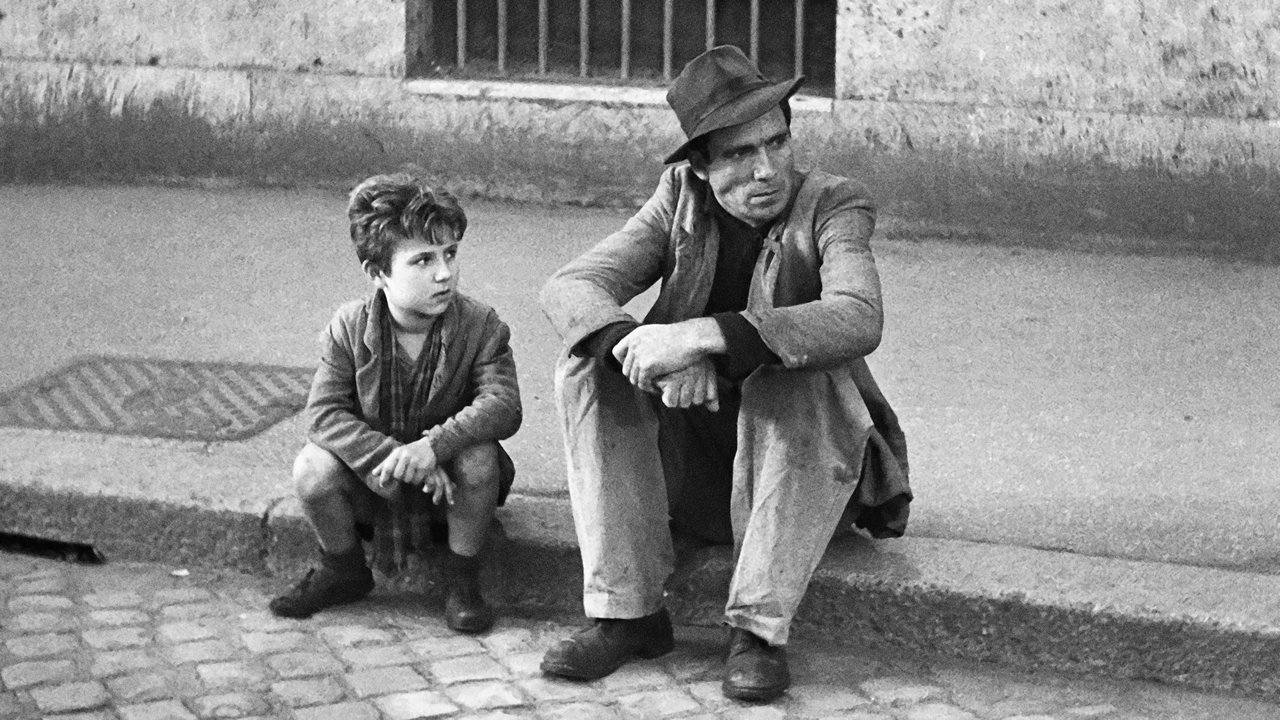
Vittorio De Sica follows a father and son across postwar Rome in search of the bicycle their livelihood depends upon. Its plain surfaces conceal ruthless construction, steadily narrowing economic desperation into one choice and one child's wounded gaze.
View Bicycle Thieves on Stellar
45. Rashomon (1950)
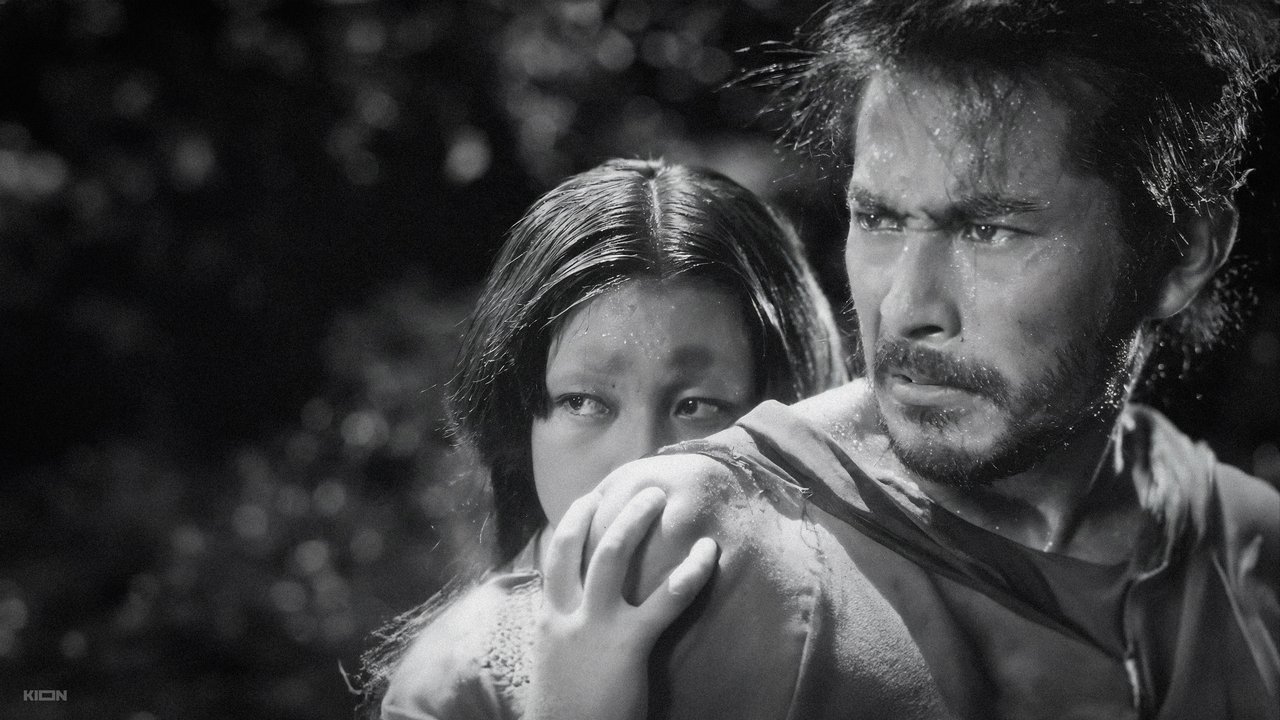
Akira Kurosawa retells one violent encounter through incompatible testimonies, making truth inseparable from ego and need. The forest photography, restless camera, and elemental performances turned unreliable perspective into an enduring cinematic grammar.
44. Tokyo Story (1953)
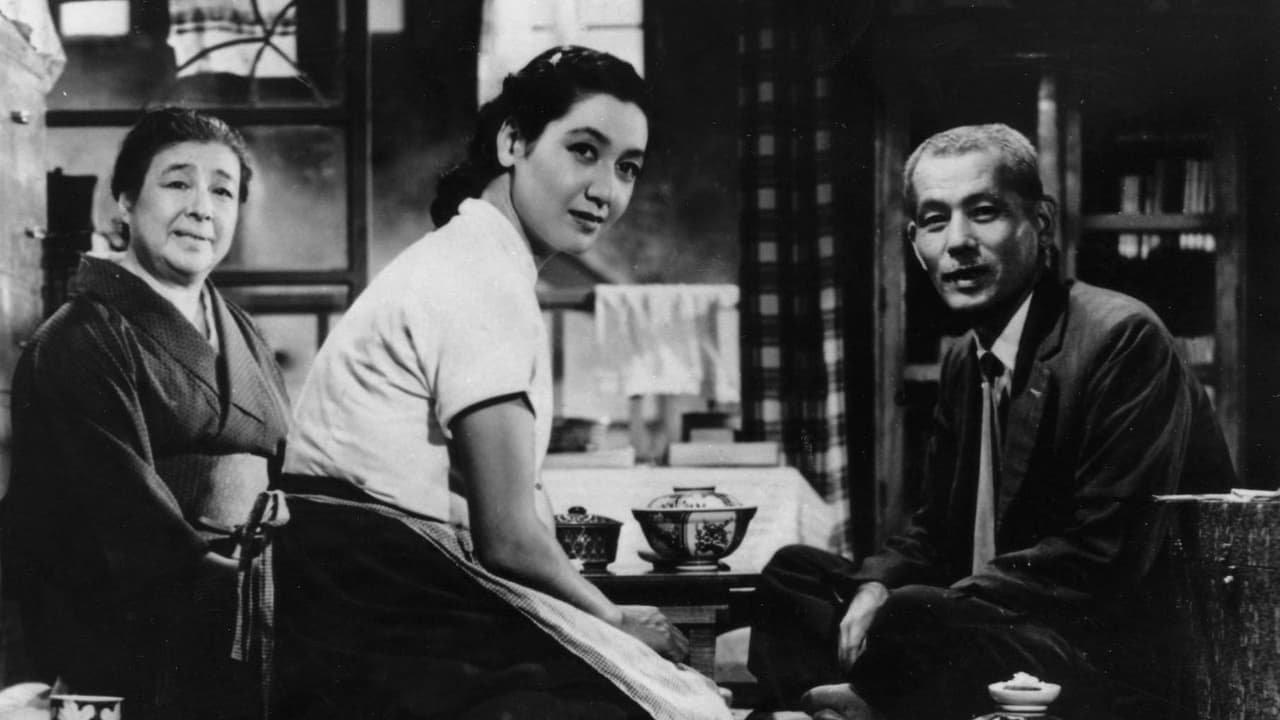
Yasujirō Ozu observes aging parents visiting their busy adult children with calm, low-set frames and devastating patience. No one is reduced to a villain; time, obligation, and ordinary selfishness do the damage, which makes every act of care feel profound.
43. Pather Panchali (1955)
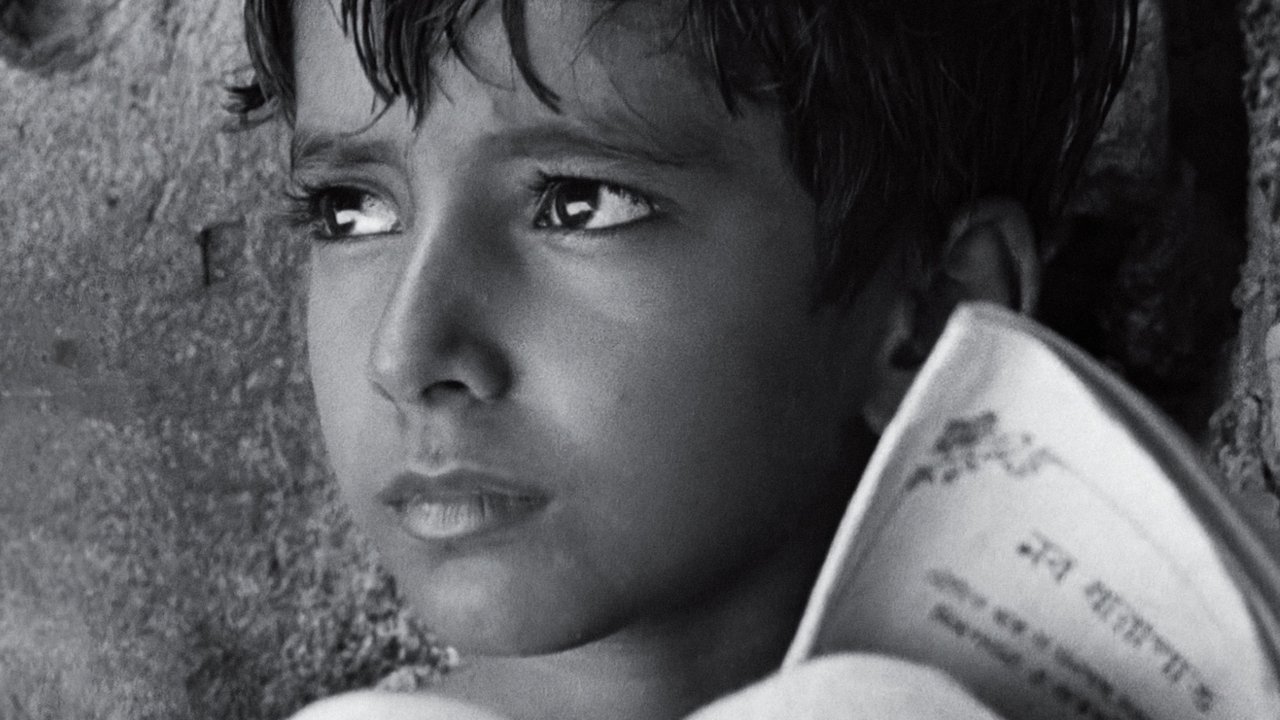
Satyajit Ray's debut sees rural family life through curiosity rather than sentimentality. A train glimpsed through tall grass can contain a whole future, while rain, hunger, play, and grief arrive with the unforced rhythm of lived experience.
View Pather Panchali on Stellar
42. A Brighter Summer Day (1991)
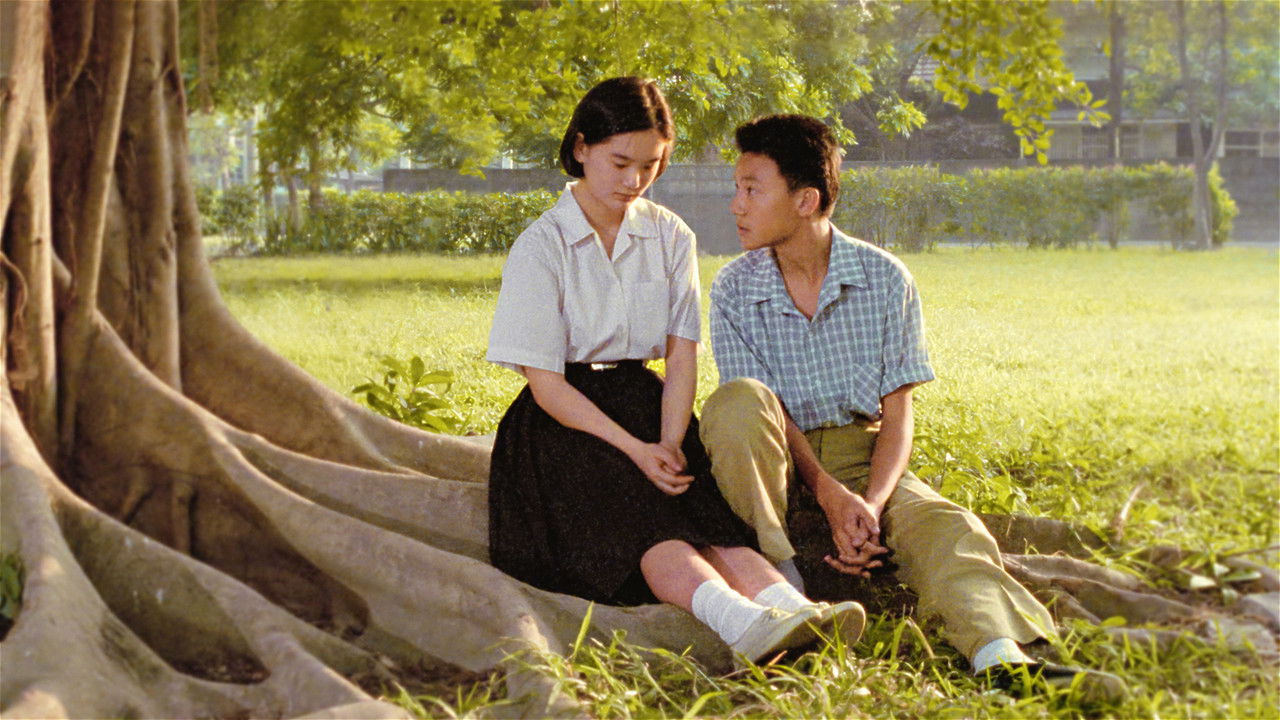
Edward Yang maps teenage confusion onto a Taiwan negotiating displacement, authority, and borrowed culture. Across four absorbing hours, classrooms, gangs, family histories, and first love converge until private tragedy reveals an entire society's unsettled identity.
View A Brighter Summer Day on Stellar
41. Taste of Cherry (1997)

Abbas Kiarostami places a man behind the wheel, searching Tehran's outskirts for someone willing to complete a troubling task. The repeated journeys make listening the film's action, and its open form turns judgment into attention.
View Taste of Cherry on Stellar
40–21: Masters of tension, scale, and form
40. Harakiri (1962)
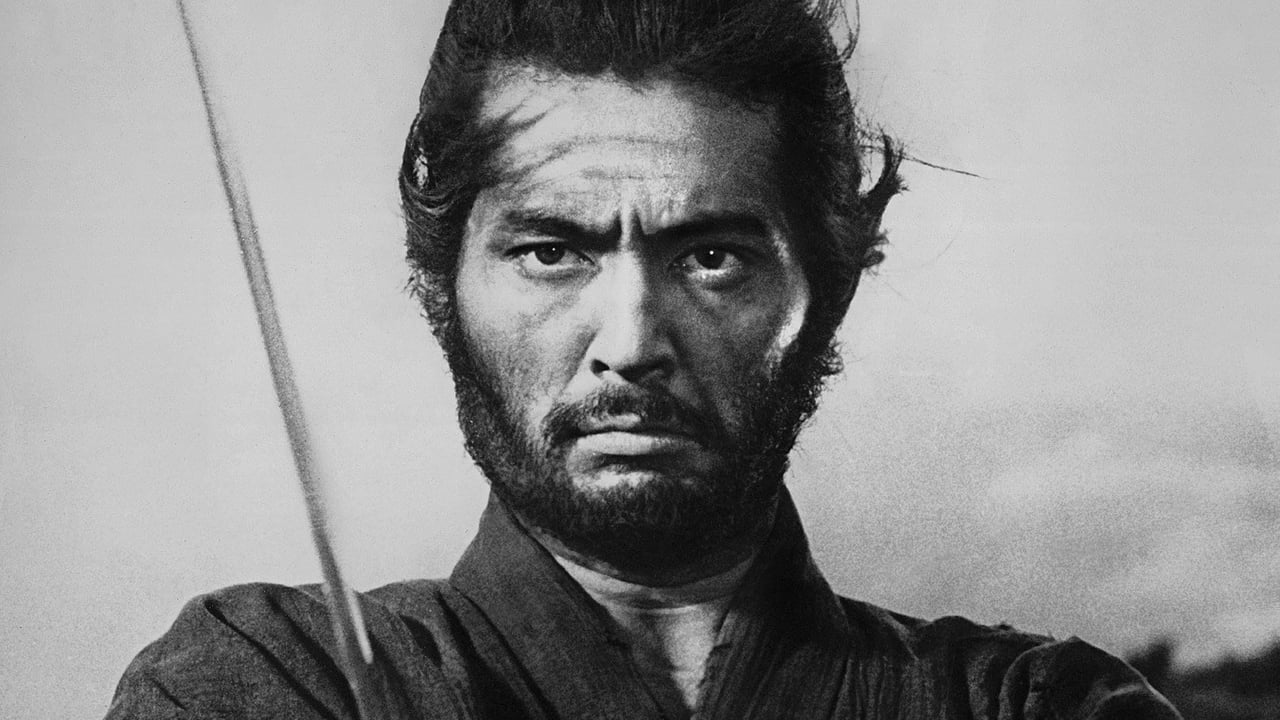
Masaki Kobayashi uses formal compositions and a slowly unfolding account to dismantle the honor claimed by powerful institutions. What begins as a ritual request becomes an indictment, and every measured revelation tightens the blade.
39. High and Low (1963)
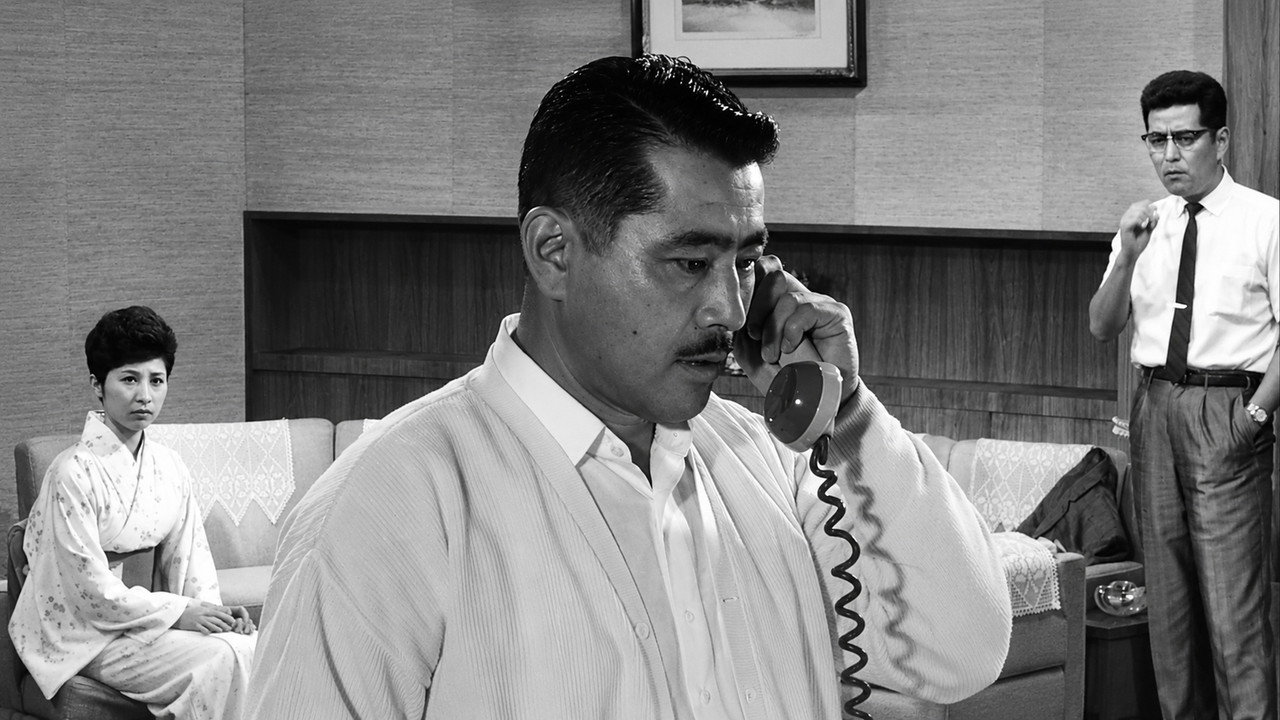
Kurosawa begins in a hilltop room where a kidnapping becomes an impossible moral calculation, then descends into the heat of the city below. The shift from chamber drama to procedural expands one crime into a study of class and responsibility.
38. The Good, the Bad and the Ugly (1966)
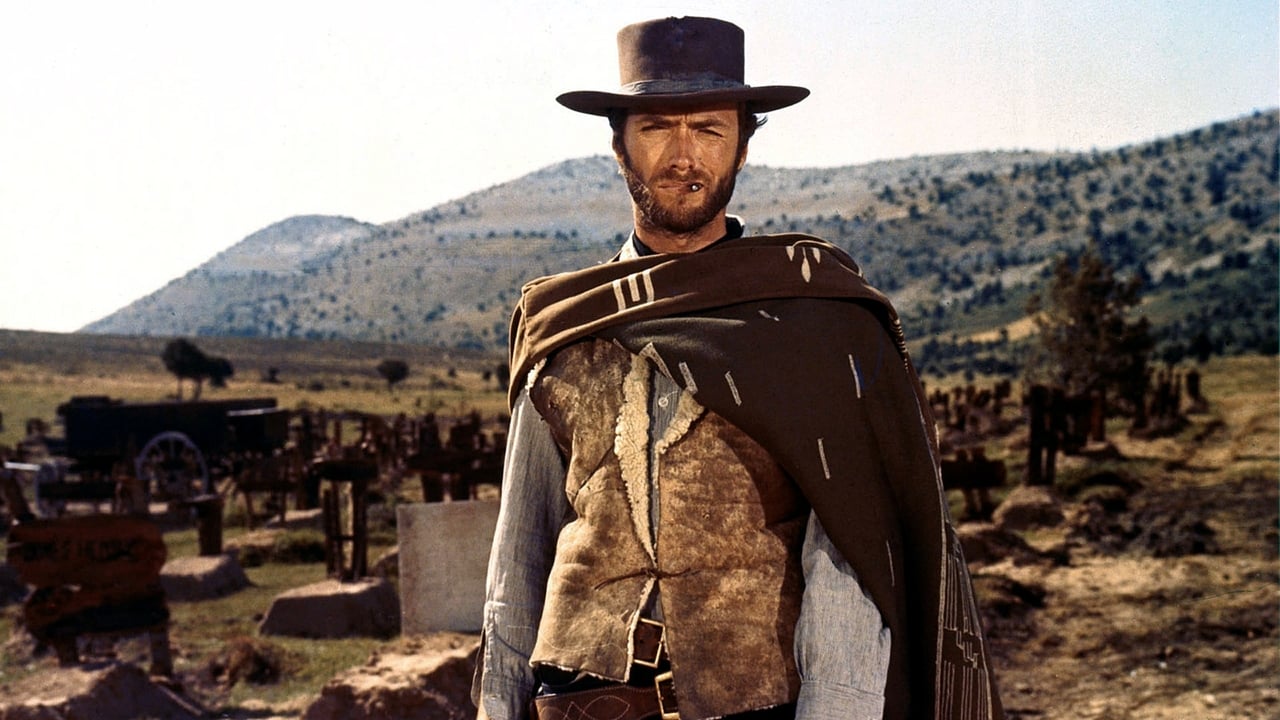
Sergio Leone stretches glances, landscapes, and Ennio Morricone's music until suspense becomes mythic ritual. Beneath the swaggering treasure hunt is a bleakly funny view of men pursuing private fortunes while a pointless war consumes everyone around them.
View The Good, the Bad and the Ugly on Stellar
37. Once Upon a Time in the West (1968)

Leone turns the building of the West into an operatic farewell to the Western itself. Faces become landscapes, a harmonica becomes fate, and Claudia Cardinale's Jill stands at the center of a violent world being replaced by another kind of power.
View Once Upon a Time in the West on Stellar
36. Lawrence of Arabia (1962)

David Lean's immense desert images make one figure look alternately heroic, absurd, and terrifyingly alone. Peter O'Toole plays Lawrence as a man inventing himself in public, then discovering that legend cannot protect him from politics or his own appetite.
View Lawrence of Arabia on Stellar
35. Apocalypse Now (1979)

Francis Ford Coppola sends a military mission upriver until war, spectacle, and madness become indistinguishable. Its overwhelming sound and imagery retain their force because the film implicates the viewer in the terrible seduction of what it condemns.
View Apocalypse Now on Stellar
34. Come and See (1985)
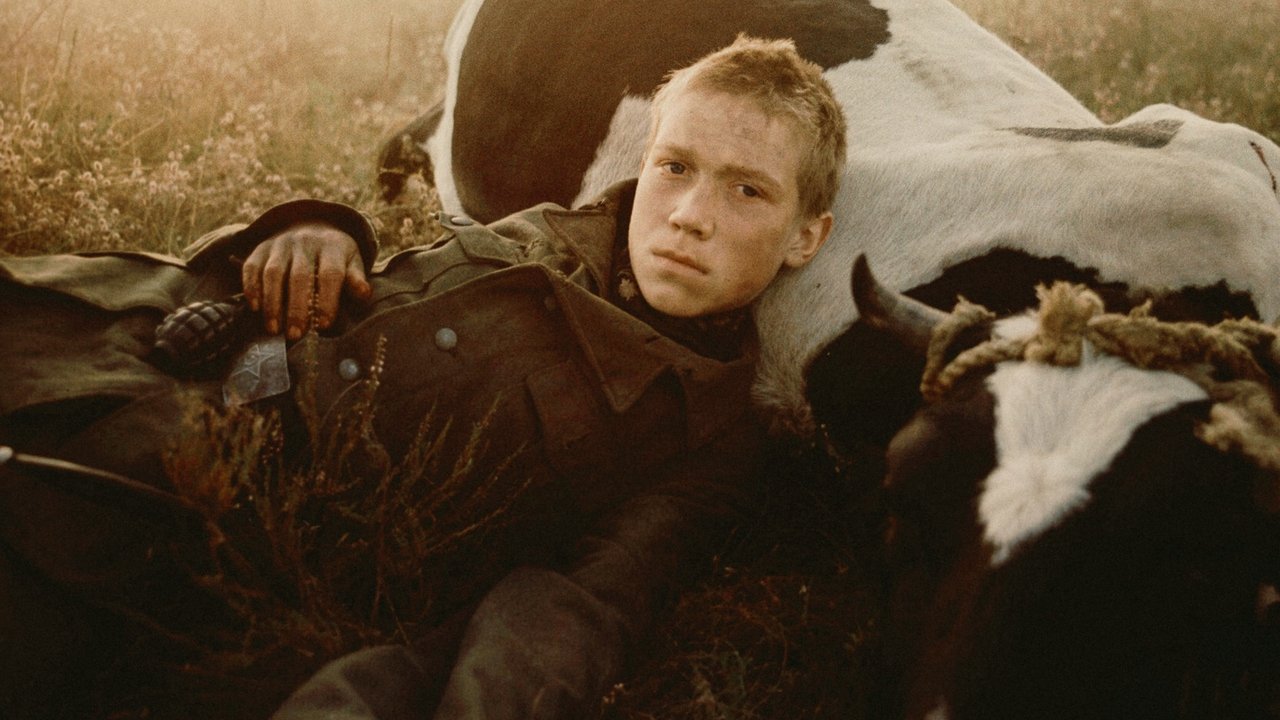
Elem Klimov follows a Belarusian teenager whose face seems to age years as atrocity closes around him. Distorted sound, direct stares, and nightmarish movement reject the distance of conventional war drama, leaving no room for heroic consolation.
33. Grave of the Fireflies (1988)

Isao Takahata centers war's consequences on a brother and sister trying to preserve a pocket of childhood. The animation renders fleeting pleasures with delicate beauty, making hunger, pride, and institutional indifference all the more crushing.
View Grave of the Fireflies on Stellar
32. Malcolm X (1992)
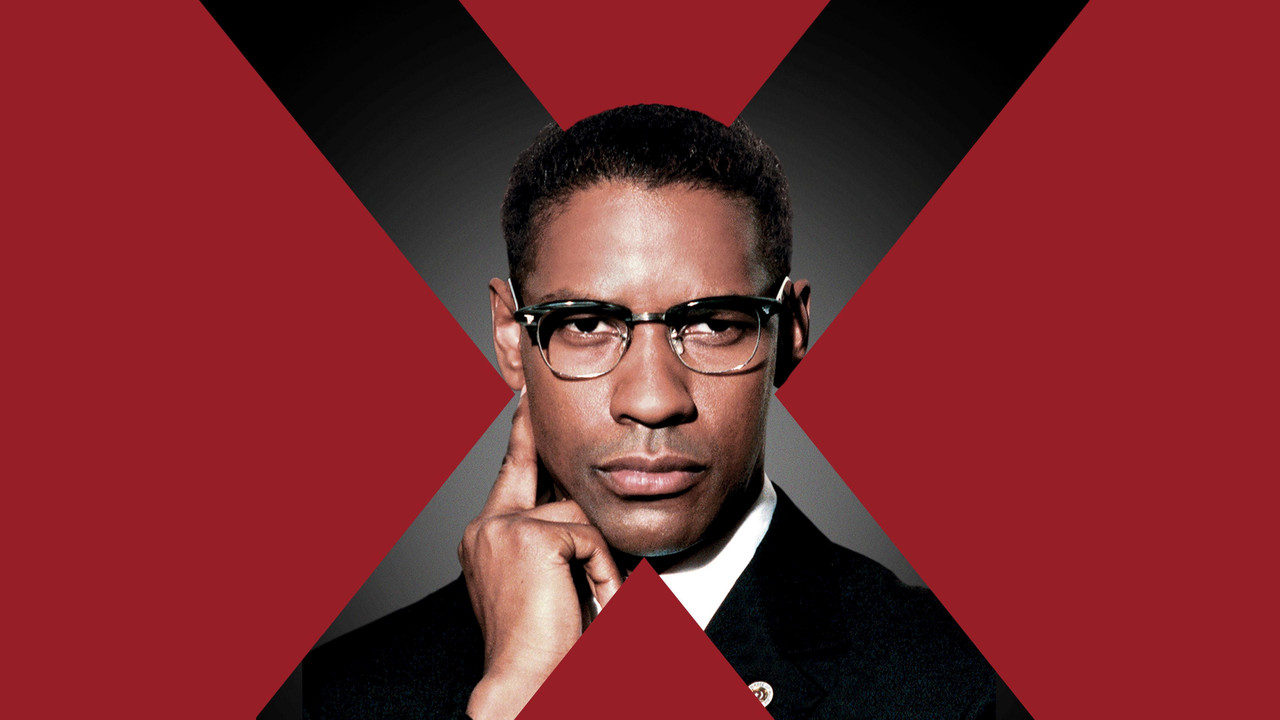
Spike Lee and Denzel Washington refuse to flatten a changing life into a fixed monument. The film moves through reinvention, conviction, conflict, and expanding political vision with an epic sweep grounded in a fiercely specific human presence.
31. The Godfather Part II (1974)
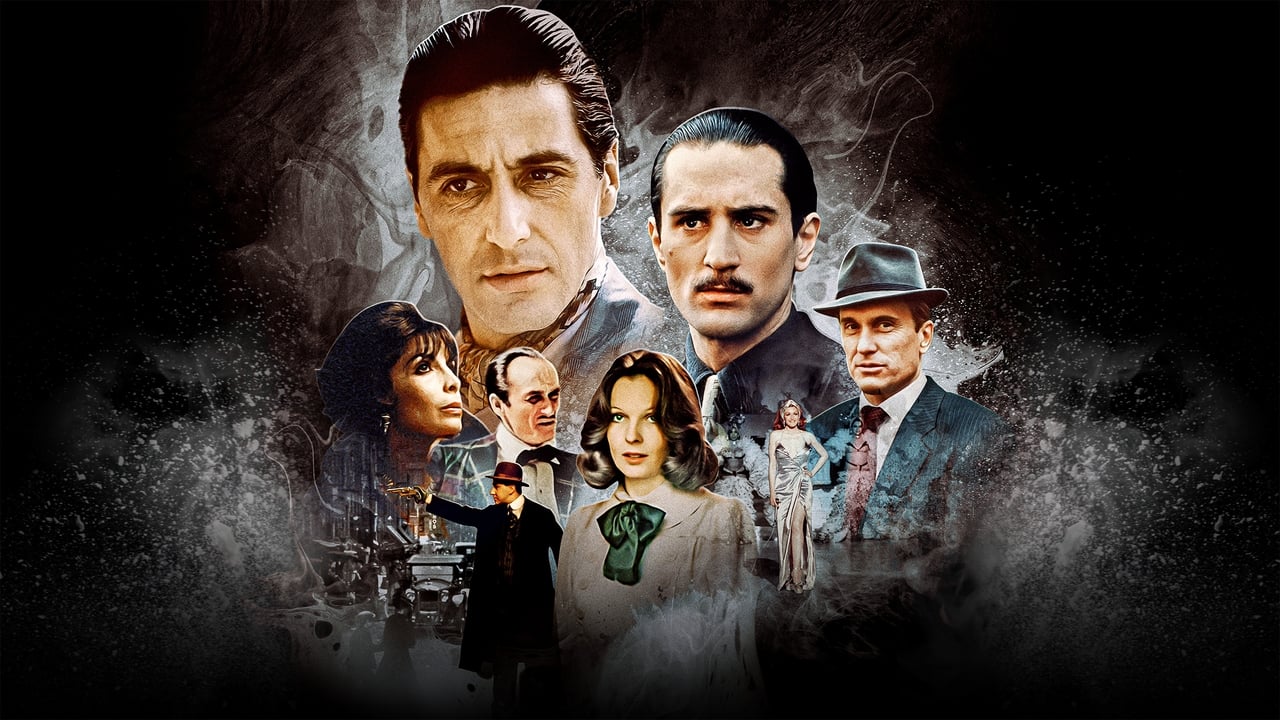
Coppola crosscuts a father's ascent with a son's spiritual collapse, making expansion and loss mirror each other across generations. Its grand historical canvas ultimately narrows to Michael Corleone alone, having mistaken control for security.
View The Godfather Part II on Stellar
30. GoodFellas (1990)
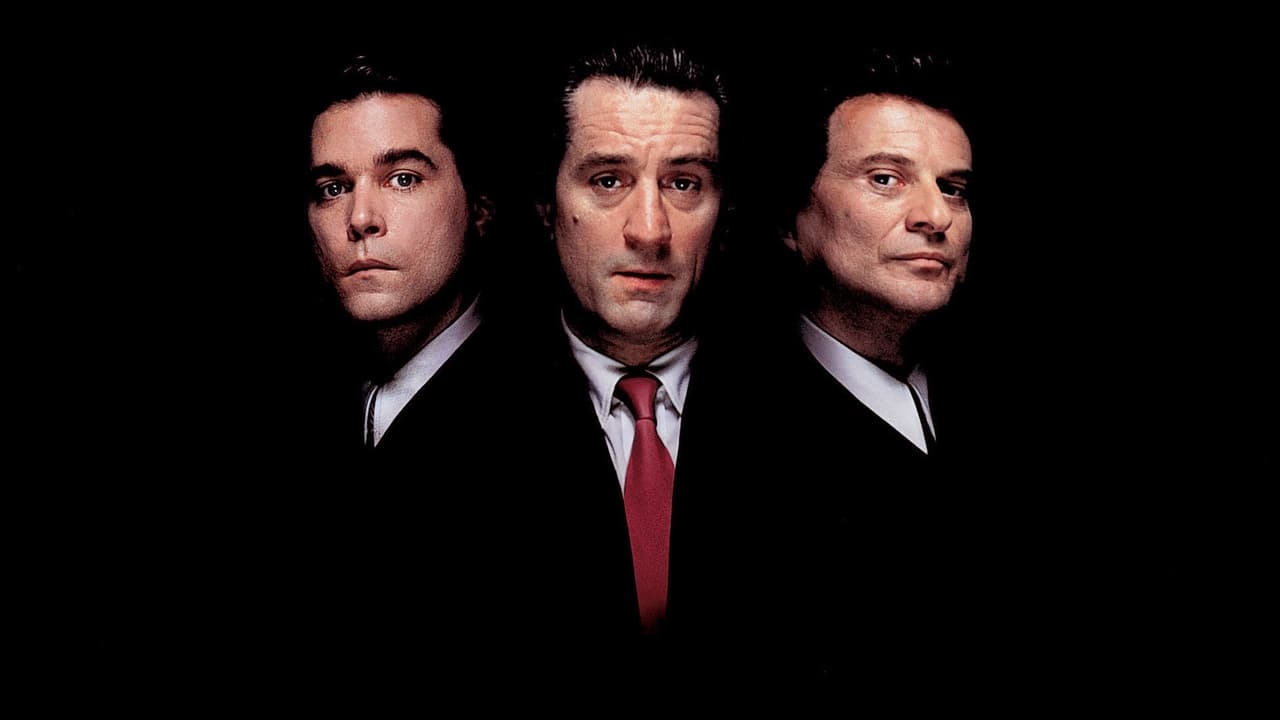
Martin Scorsese makes criminal life intoxicating through speed, music, jokes, and fluid camera movement, then lets the rhythm curdle into paranoia. The seduction and the punishment belong to the same style, which is precisely the point.
29. Pulp Fiction (1994)
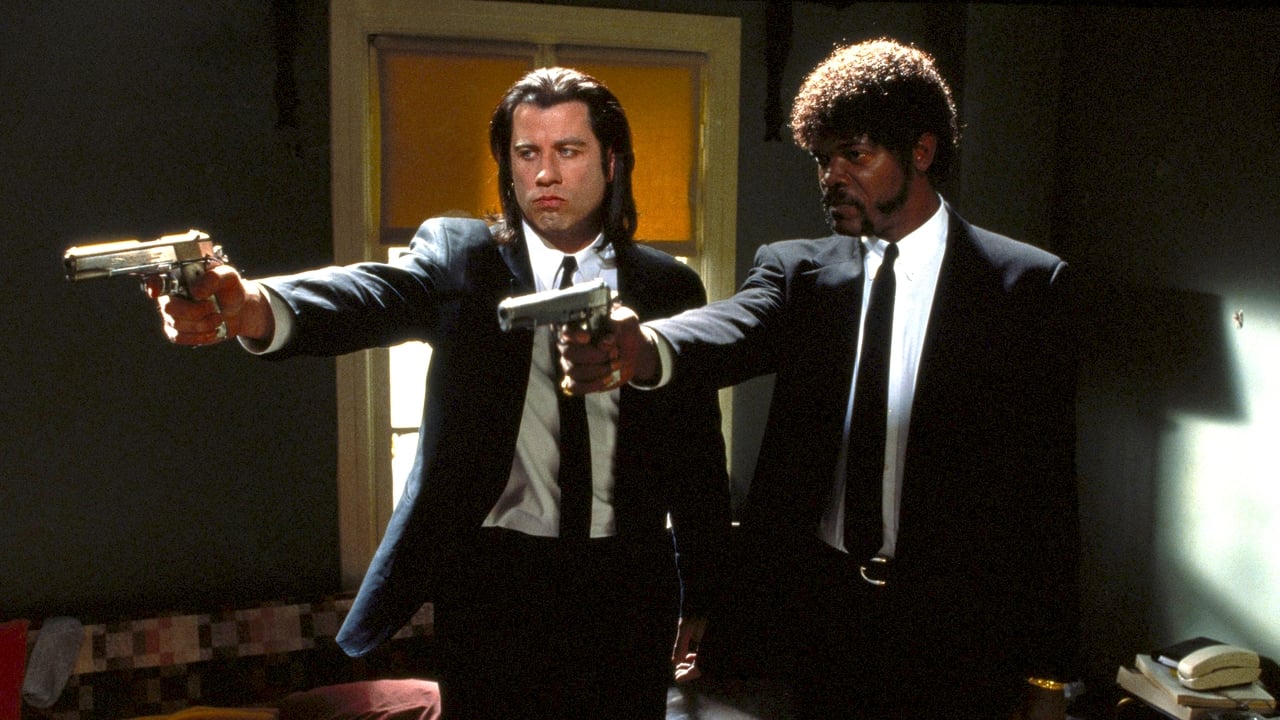
Quentin Tarantino rearranges crime stories into a pop-cultural Möbius strip where conversation can be as suspenseful as violence. Its fractured timeline creates unexpected grace notes, allowing one character's end to become another character's chance at change.
28. Taxi Driver (1976)

Scorsese and Robert De Niro trap us inside Travis Bickle's alienation without endorsing the story he tells himself. New York glows like a fever dream, and the film's unresolved aftermath makes public mythmaking as unsettling as private violence.
27. Raging Bull (1980)
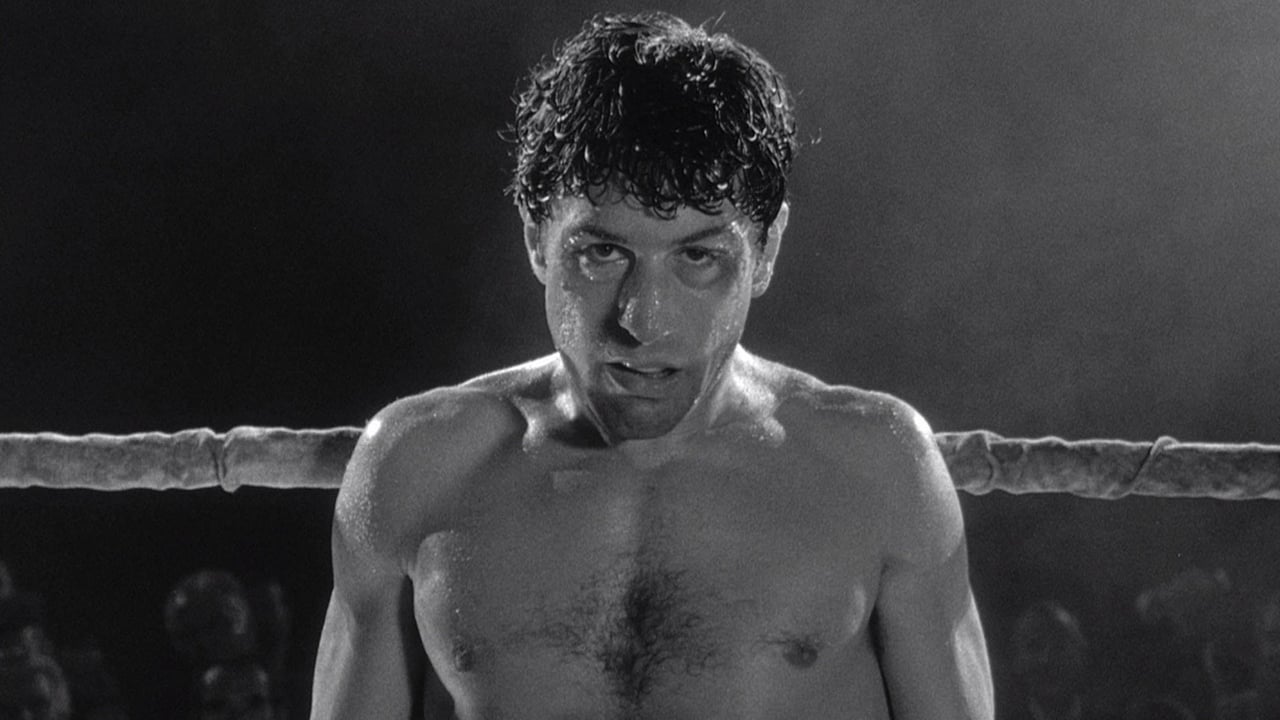
The boxing ring becomes a blinding theater for Jake LaMotta's fear, vanity, and self-punishment. Scorsese's black-and-white images are brutally beautiful, while De Niro locates the tragedy in a man who can survive blows but not intimacy.
26. Chinatown (1974)

Roman Polanski's sunlit noir lets a private detective's confidence guide him toward systems of wealth and violence he cannot master. Robert Towne's screenplay turns every solution into a deeper corruption, ending where cleverness offers no rescue.
25. Network (1976)
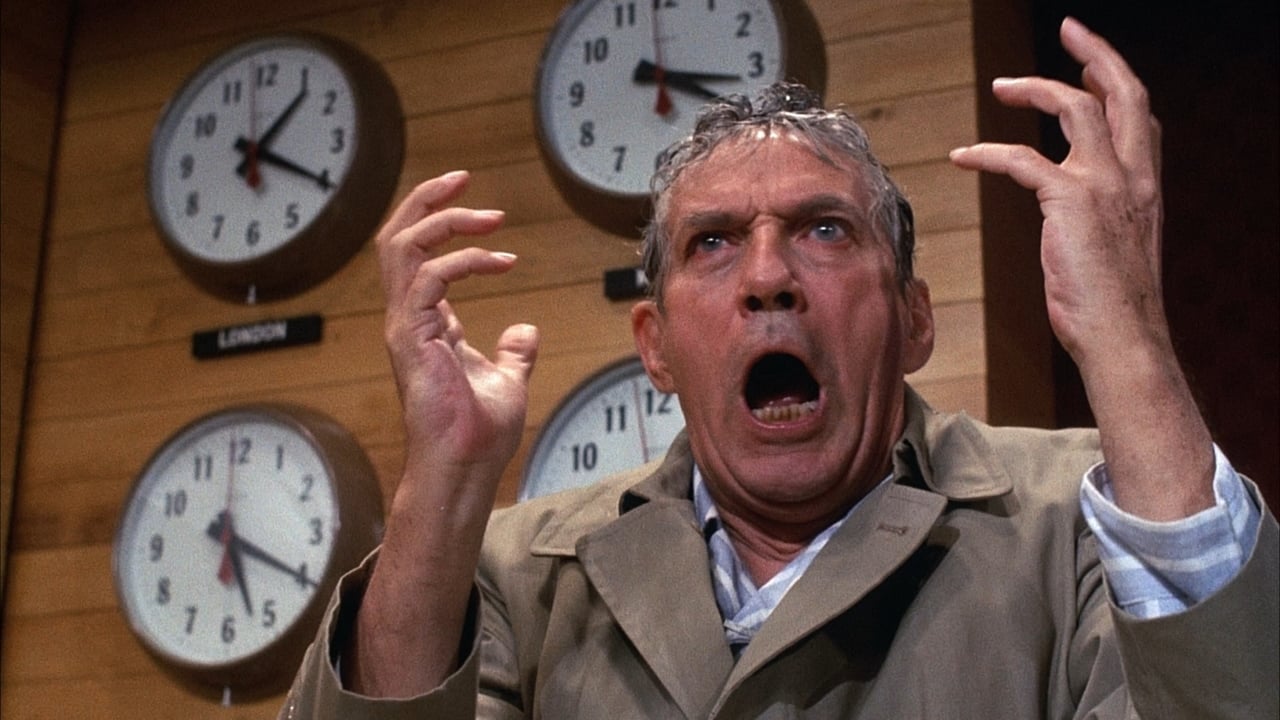
Sidney Lumet and Paddy Chayefsky imagine television converting breakdown, anger, and ideology into programming. The satire remains ferocious because its executives do not suppress dissent; they package it, sell it, and cancel it when the ratings fall.
24. Dr. Strangelove or: How I Learned to Stop Worrying and Love the Bomb (1964)
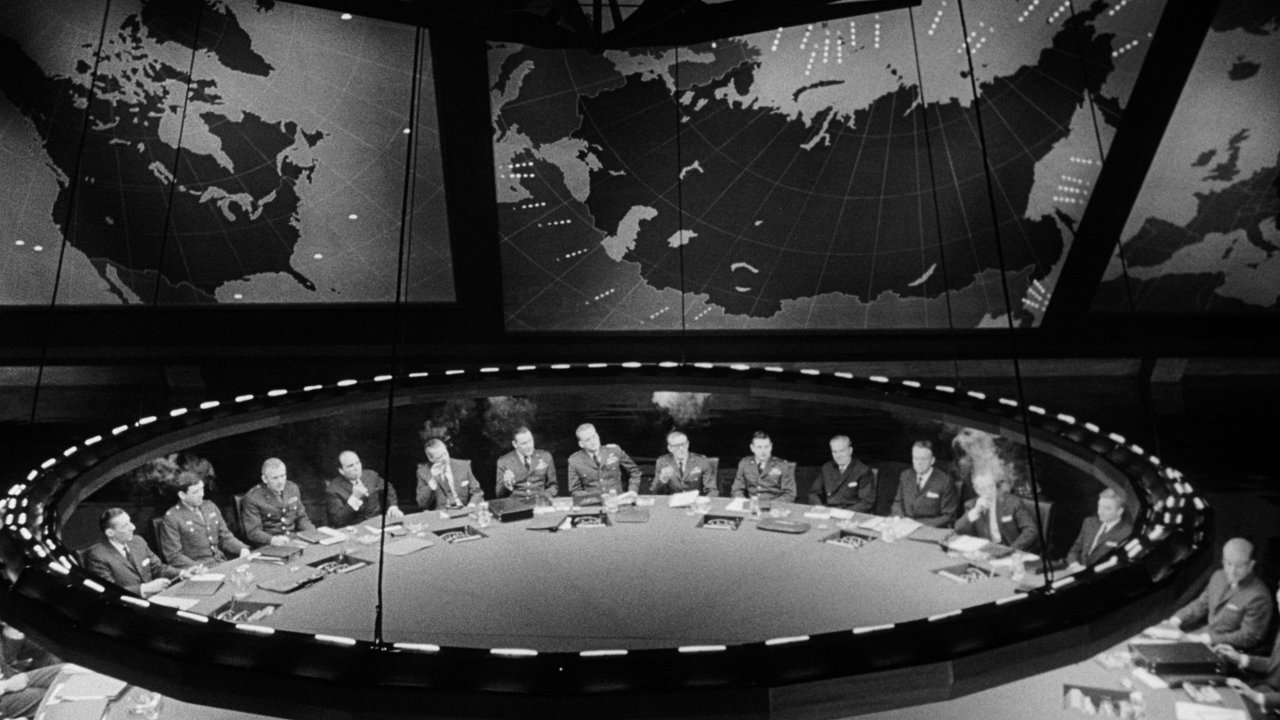
Stanley Kubrick finds the logical endpoint of nuclear strategy in immaculate rooms full of absurd men. Peter Sellers' three performances and the film's deadpan escalation turn extinction into farce without making the underlying machinery any less frightening.
View Dr. Strangelove on Stellar
23. The Third Man (1949)
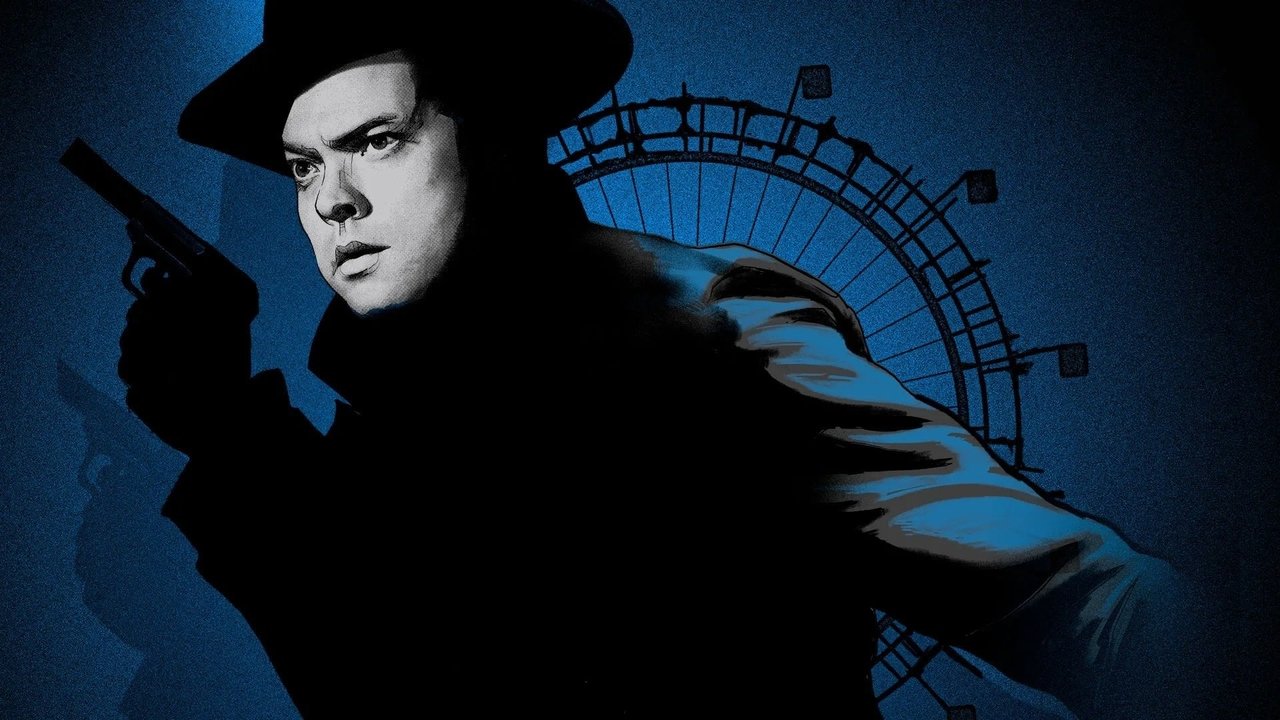
Carol Reed tilts postwar Vienna into a maze of wet streets, divided loyalties, and unreliable friendship. Anton Karas' bright zither score sharpens the unease, while Orson Welles turns a doorway entrance into one of cinema's great revelations.
22. Double Indemnity (1944)
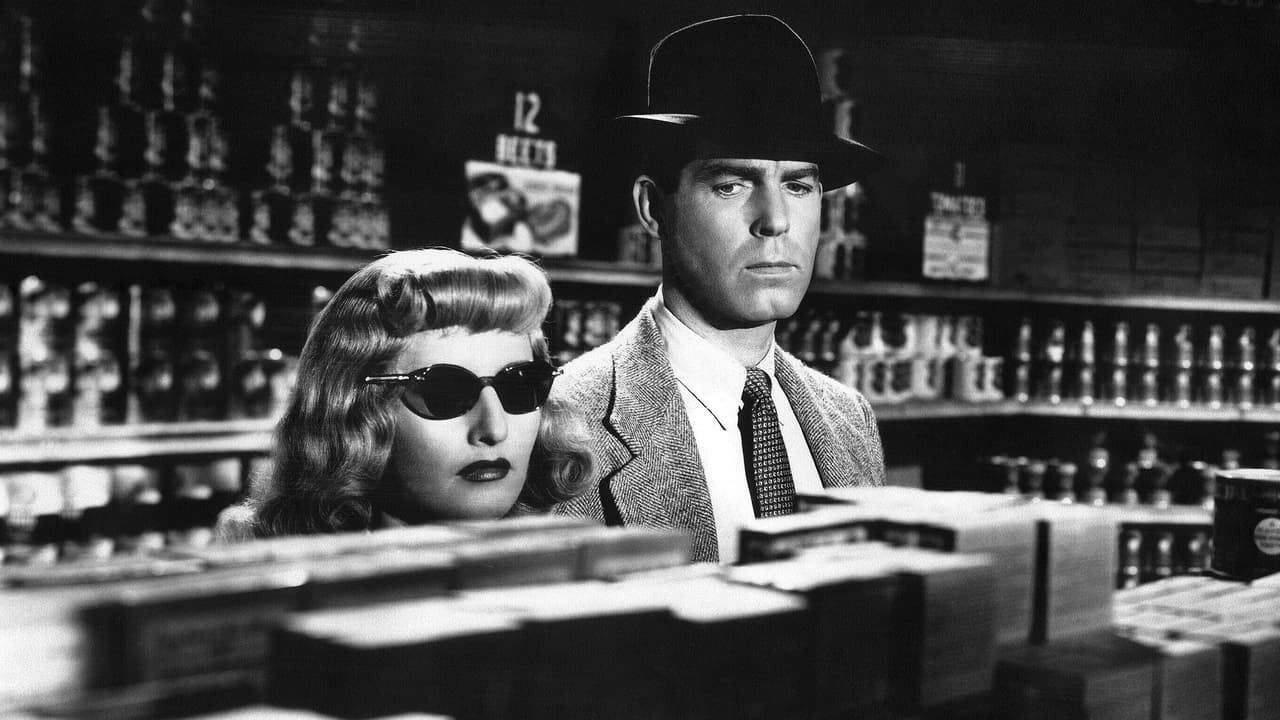
Billy Wilder's fatal romance is narrated by a man who already knows where desire has taken him. Barbara Stanwyck and Fred MacMurray make calculation feel feverish, while Edward G. Robinson gives the film its bruised moral heart.
View Double Indemnity on Stellar
21. Rear Window (1954)
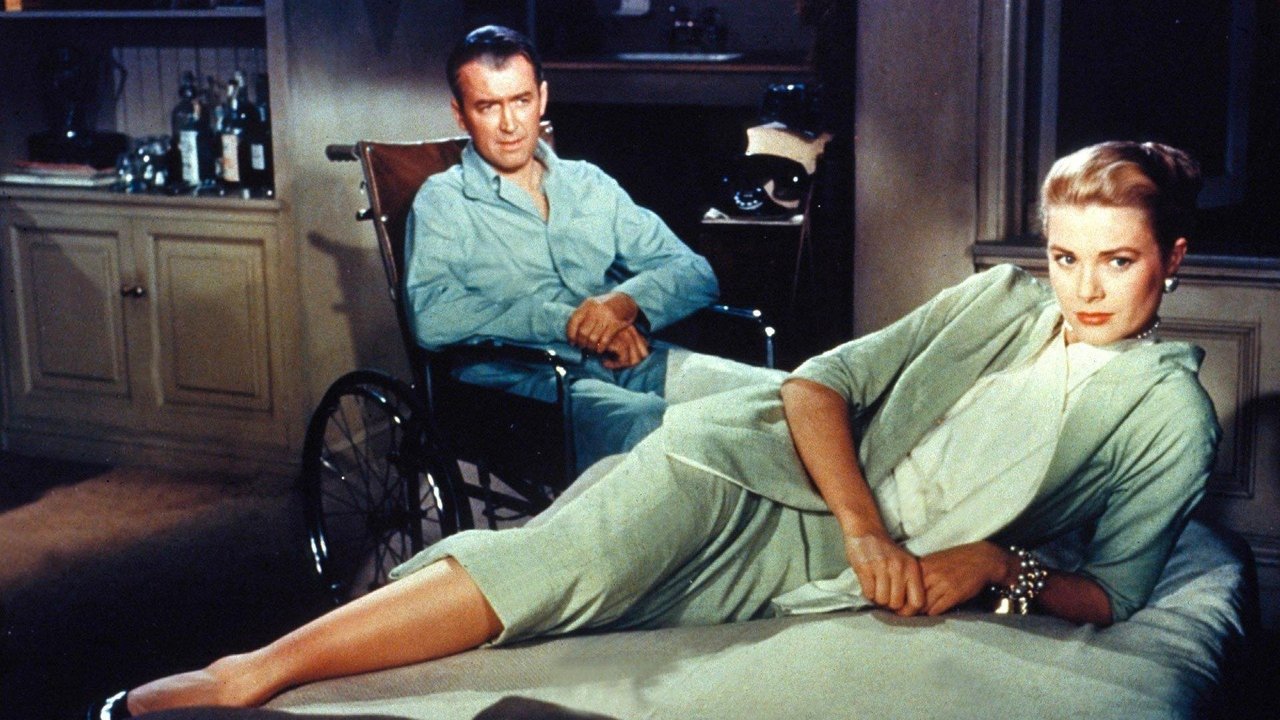
Alfred Hitchcock builds an entire world across one courtyard and makes looking both irresistible and ethically unstable. James Stewart's immobilized photographer turns neighbors into stories, but Grace Kelly's daring presence keeps challenging the safety of spectatorship.
20–1: The summit
20. Psycho (1960)
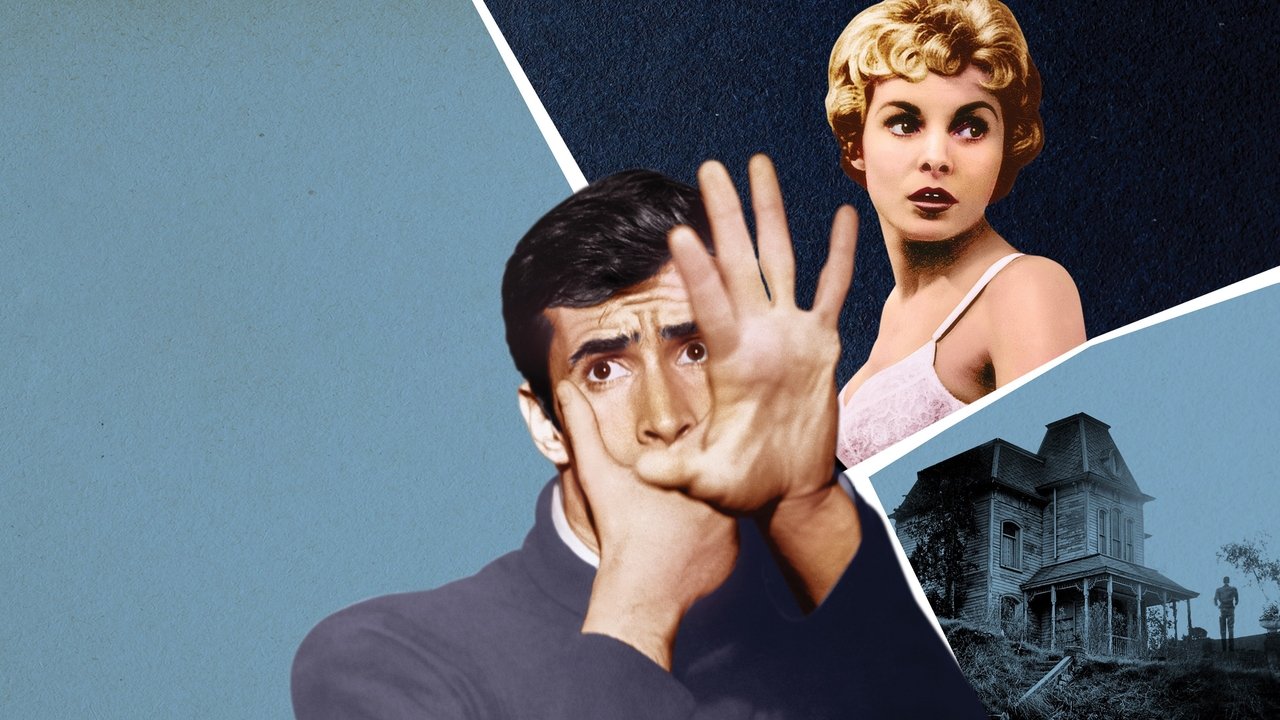
Hitchcock breaks the apparent rules of narrative, identification, and safety, then rebuilds suspense around an emptied motel and a divided mind. Bernard Herrmann's strings and the film's exact cutting made horror feel newly modern—and permanently untrustworthy.
19. Vertigo (1958)

Romantic longing becomes an act of control as Hitchcock follows a detective trying to force reality into the shape of an image. Its spirals, colors, and impossible camera movements make obsession beautiful while exposing the cruelty inside that beauty.
18. The Wizard of Oz (1939)
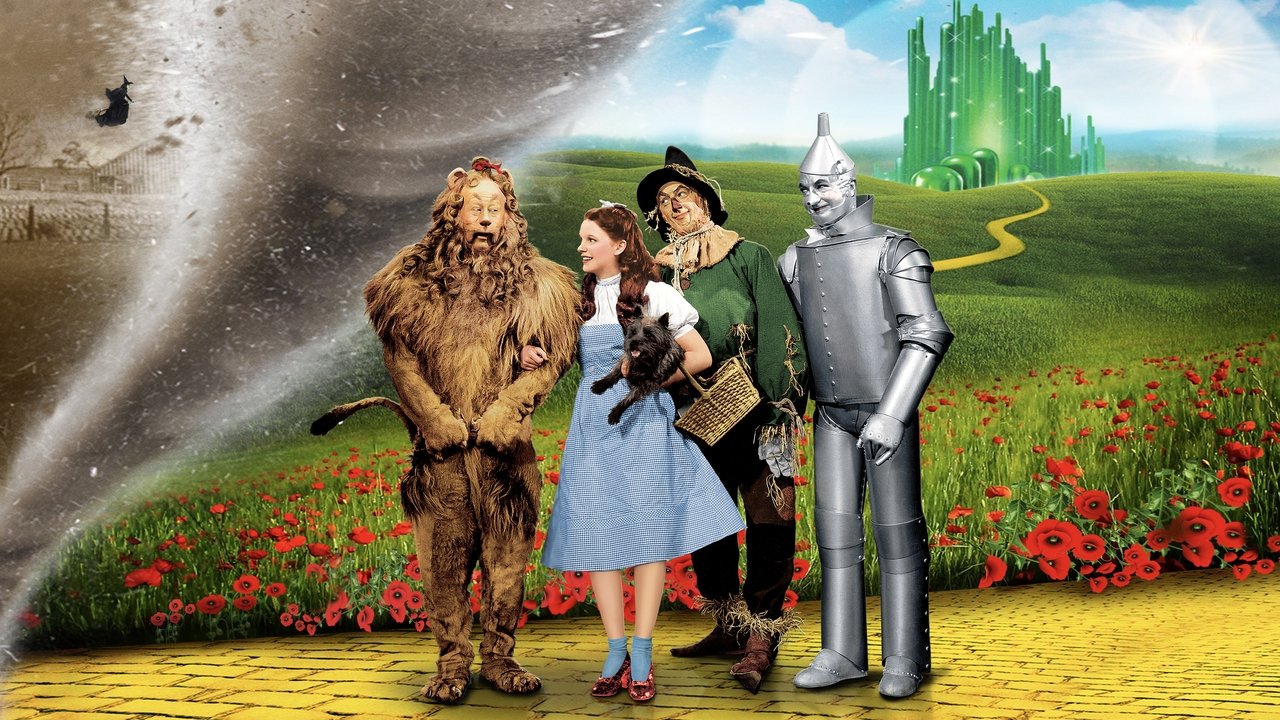
Dorothy's step from sepia Kansas into Technicolor Oz remains pure cinematic transformation. The songs, companions, practical fantasy, and sincere emotional logic have made the journey feel newly discovered by one generation after another.
View The Wizard of Oz on Stellar
17. The Battle of Algiers (1966)

Gillo Pontecorvo reconstructs urban insurgency and colonial repression with such immediacy that staged events feel witnessed. Its clear-eyed attention moves across strategy, civilian cost, and unequal power without turning political struggle into a comforting fable.
View The Battle of Algiers on Stellar
16. Close-Up (1990)
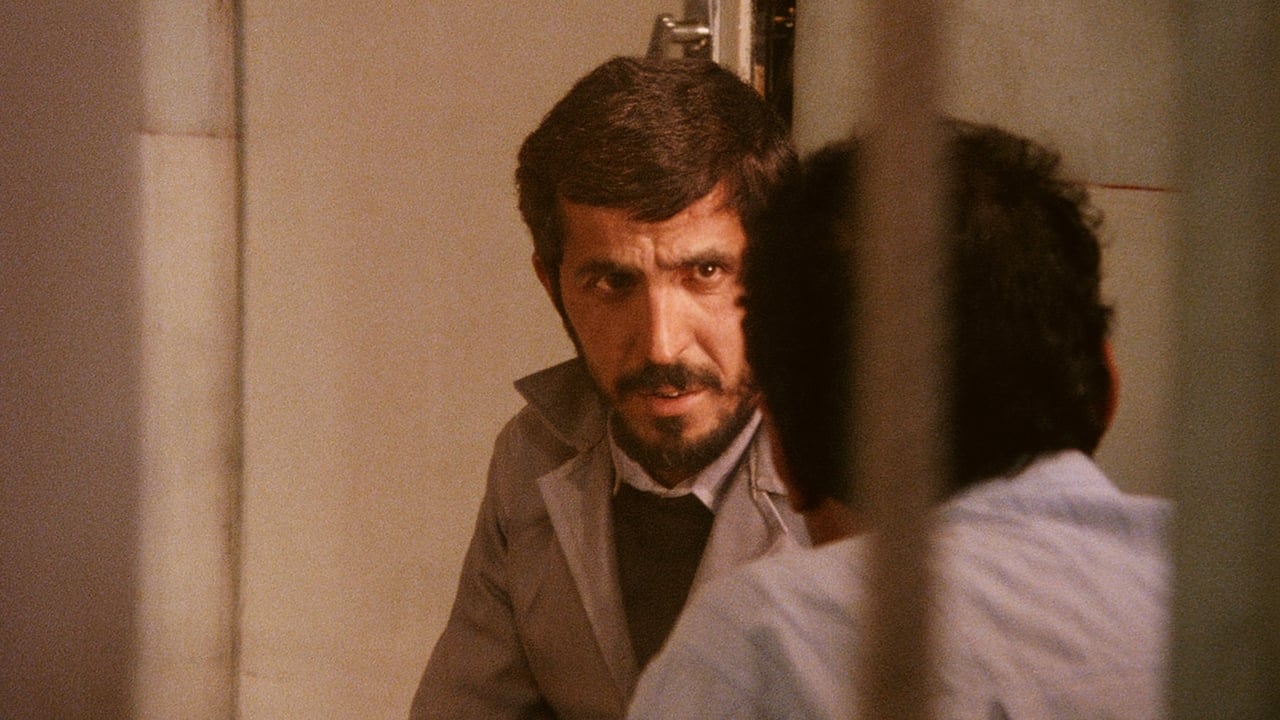
Abbas Kiarostami asks real people to reenact the case of a man who impersonated a filmmaker, gently dissolving boundaries between documentary and fiction. What emerges is not a trick but a humane inquiry into shame, class, and art's promise of another self.
15. Beau Travail (1999)

Claire Denis turns military drills in Djibouti into choreography, studying bodies shaped by discipline and desire. Denis Lavant's jealous officer suppresses everything until a final burst of movement grants the film one unforgettable, ambiguous release.
14. Jeanne Dielman, 23, quai du Commerce, 1080 Bruxelles (1975)
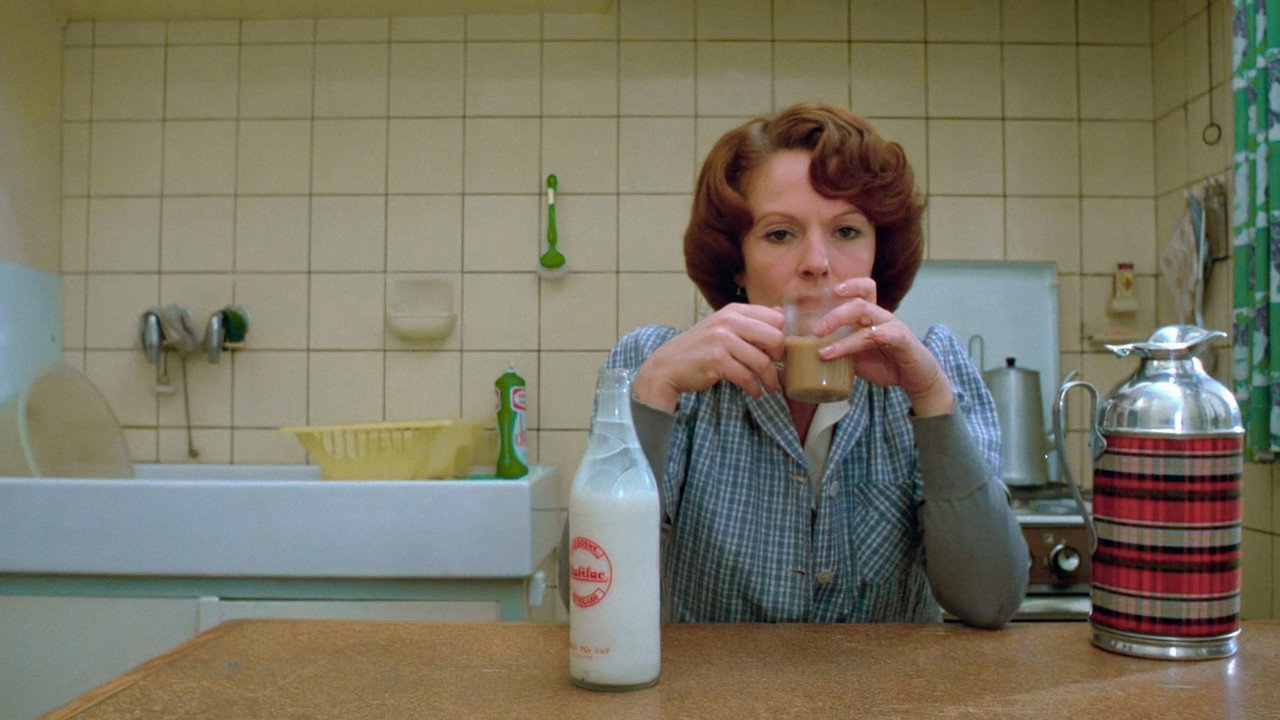
Chantal Akerman gives domestic routine the duration and attention cinema usually reserves for spectacle. As tiny disruptions enter Jeanne's precisely ordered days, repetition becomes suspense and invisible labor reveals its psychological cost.
View Jeanne Dielman, 23, quai du Commerce, 1080 Bruxelles on Stellar
13. Mulholland Drive (2001)

David Lynch begins with a Hollywood mystery and lets dreams, performance, and disappointed desire rewrite its identities. Naomi Watts travels from radiant possibility to raw despair, making the film's puzzle emotionally legible even when its logic remains nocturnal.
View Mulholland Drive on Stellar
12. 8½ (1963)
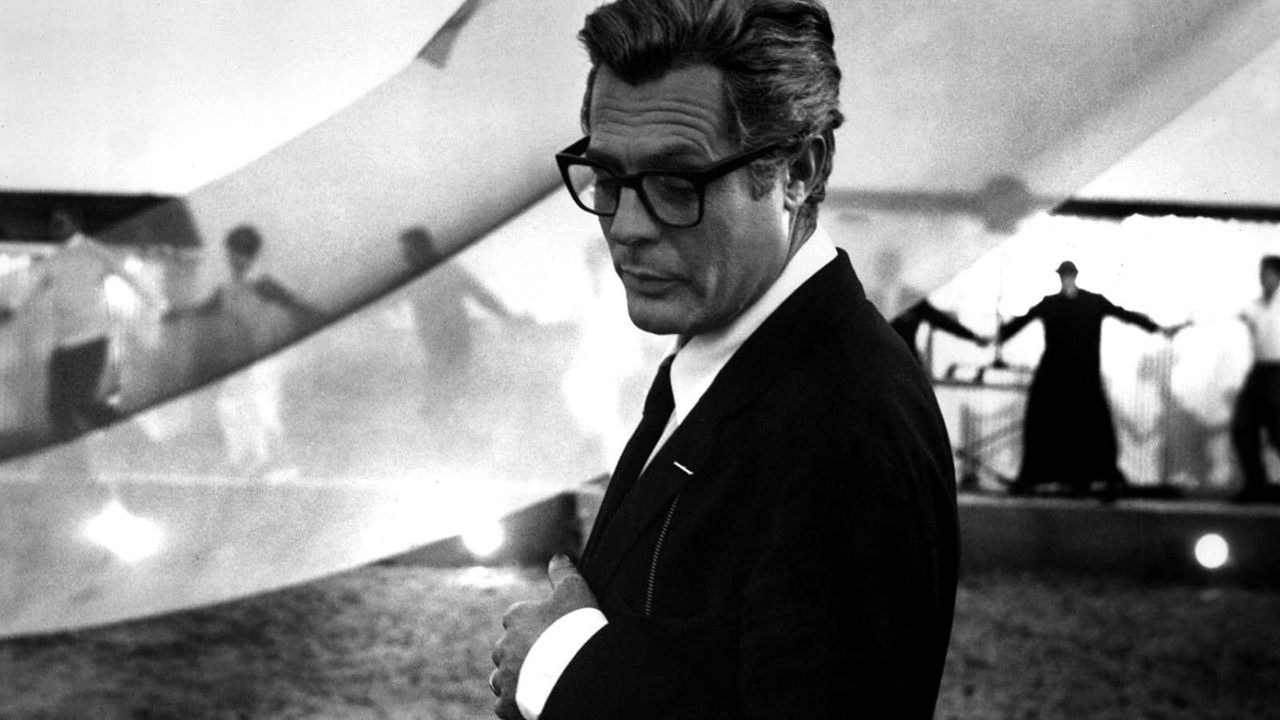
Federico Fellini turns creative paralysis into an endlessly inventive carnival of memory, fantasy, guilt, and production chaos. Marcello Mastroianni's director cannot control his film or relationships, yet the admission of confusion becomes its own exuberant form.
11. The Rules of the Game (1939)
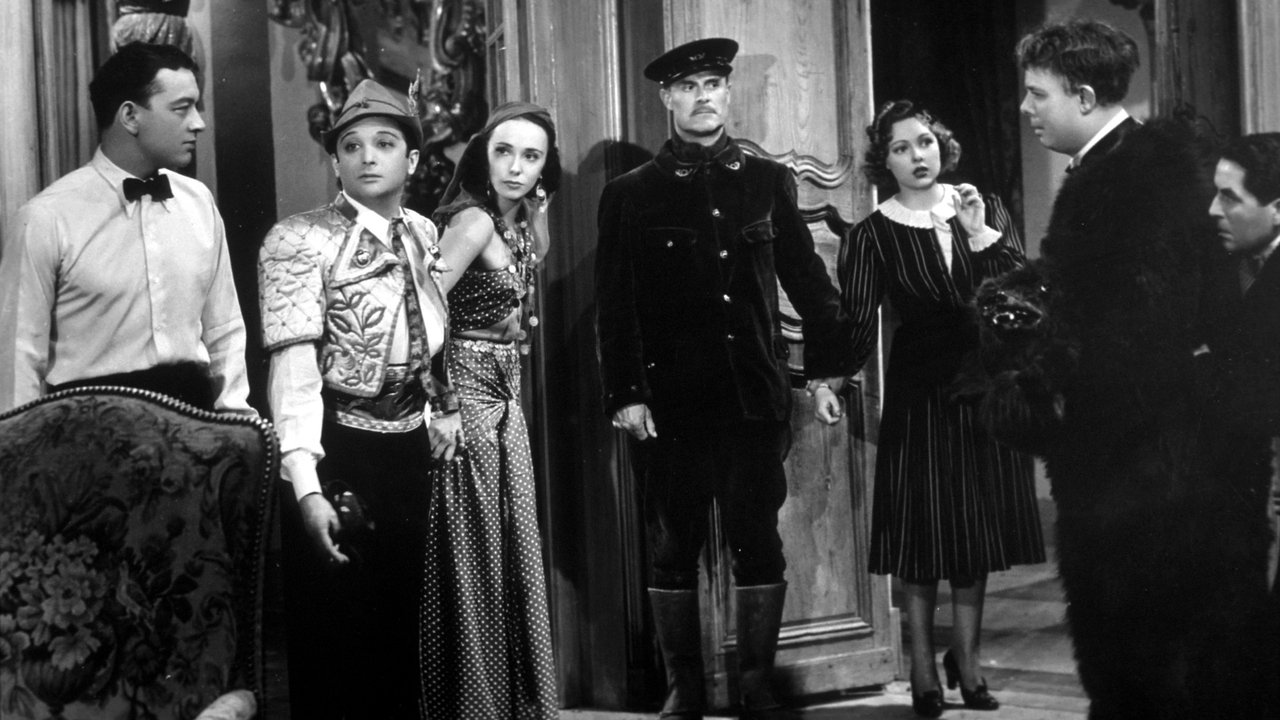
Jean Renoir stages a country-house weekend where servants and aristocrats mirror one another's romantic evasions. The mobile camera catches comedy and danger unfolding at once, until social performance proves capable of absorbing even catastrophe.
View The Rules of the Game on Stellar
10. The Lord of the Rings: The Fellowship of the Ring (2001)
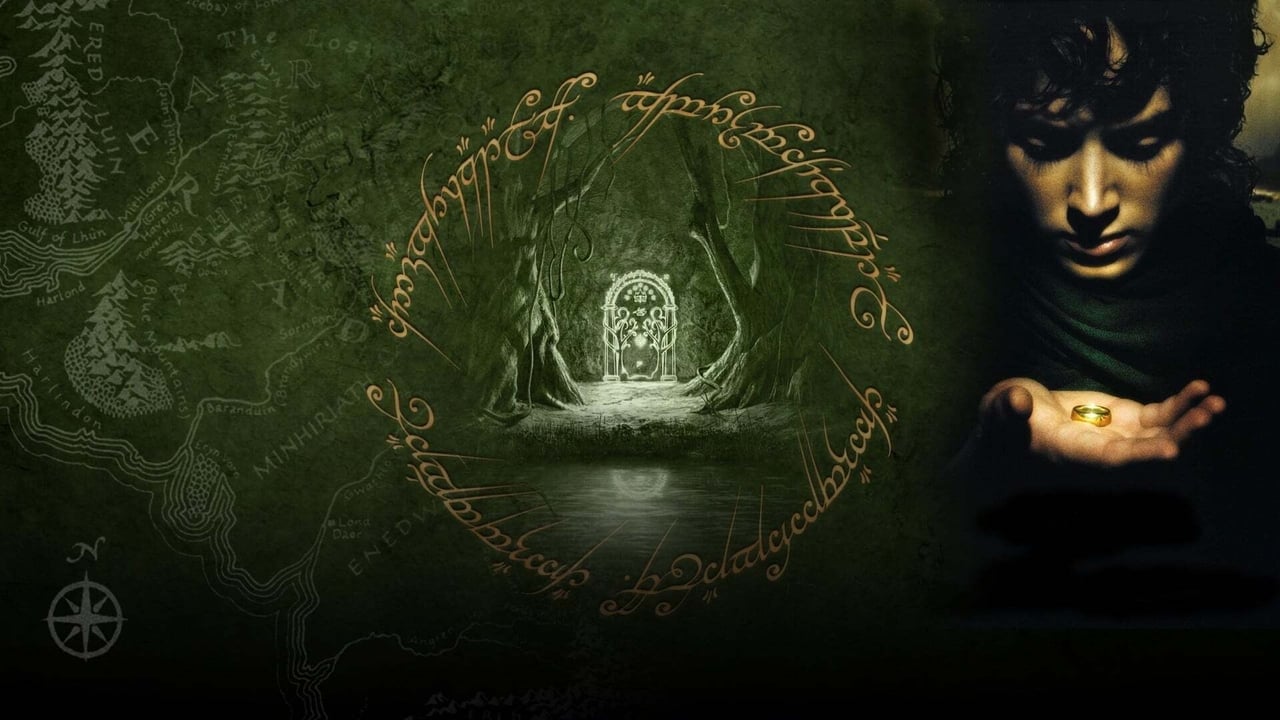
Peter Jackson makes Middle-earth tactile, weathered, and emotionally immediate before setting its company on the road. The scale astonishes, but the film endures because its epic stakes are carried by friendship, mercy, and the courage to leave home.
View The Lord of the Rings: The Fellowship of the Ring on Stellar
9. Do the Right Thing (1989)
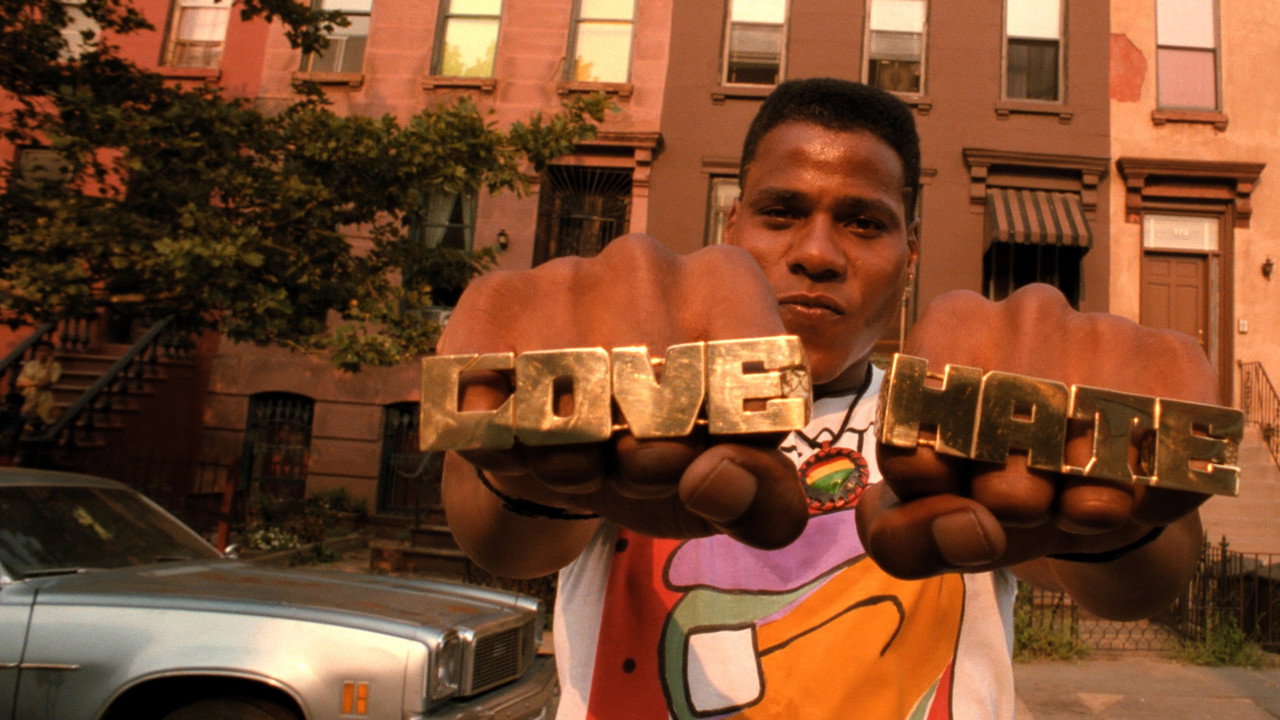
Spike Lee compresses one Brooklyn block into the hottest day of the year, where jokes, music, commerce, prejudice, and affection share the pavement. Its formal energy keeps every tension alive, and its questions resist the relief of a simple verdict.
View Do the Right Thing on Stellar
8. Spirited Away (2001)

Hayao Miyazaki fills a spirit bathhouse with strange labor, appetite, danger, and kindness, trusting viewers to learn its world alongside Chihiro. Her growth comes through attention and care rather than conquest, giving the fantasy unusual moral depth.
7. Citizen Kane (1941)
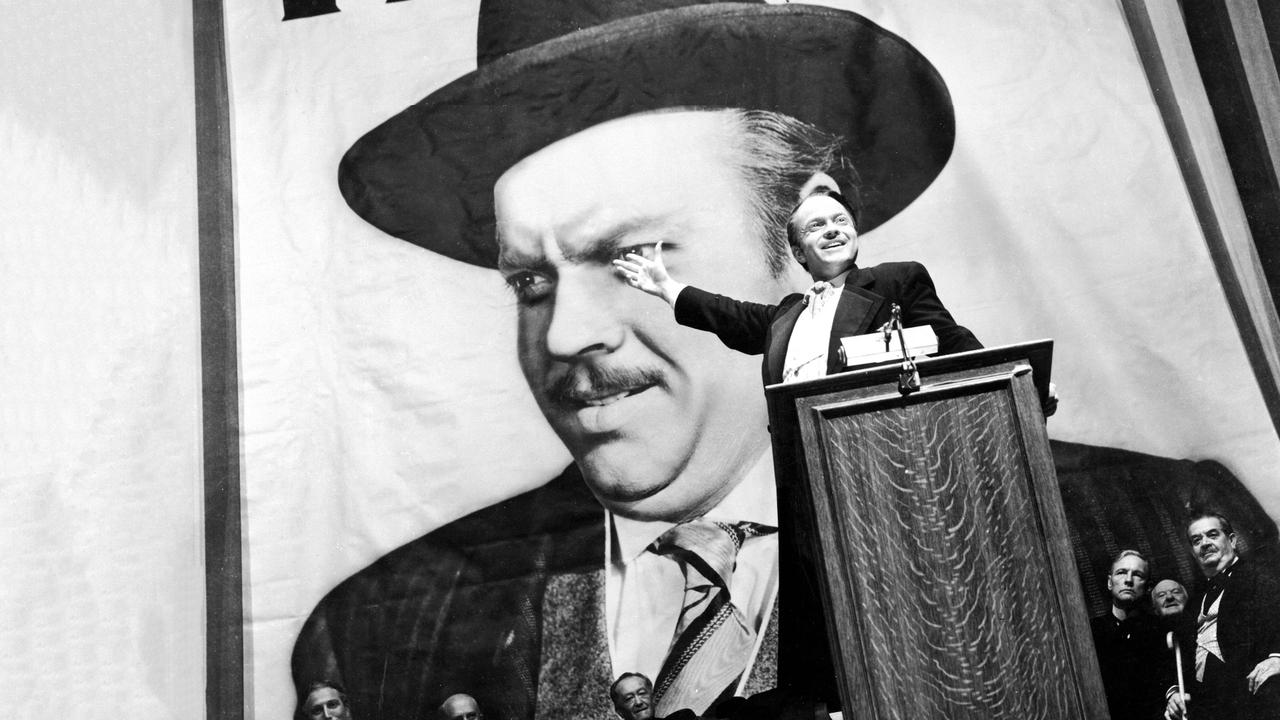
Orson Welles and his collaborators turn one man's life into competing testimonies, deep-focus spaces, expressive ceilings, and daring leaps through time. Its technical innovations remain thrilling because they all serve the mystery between a public image and a private loss.
6. Casablanca (1942)
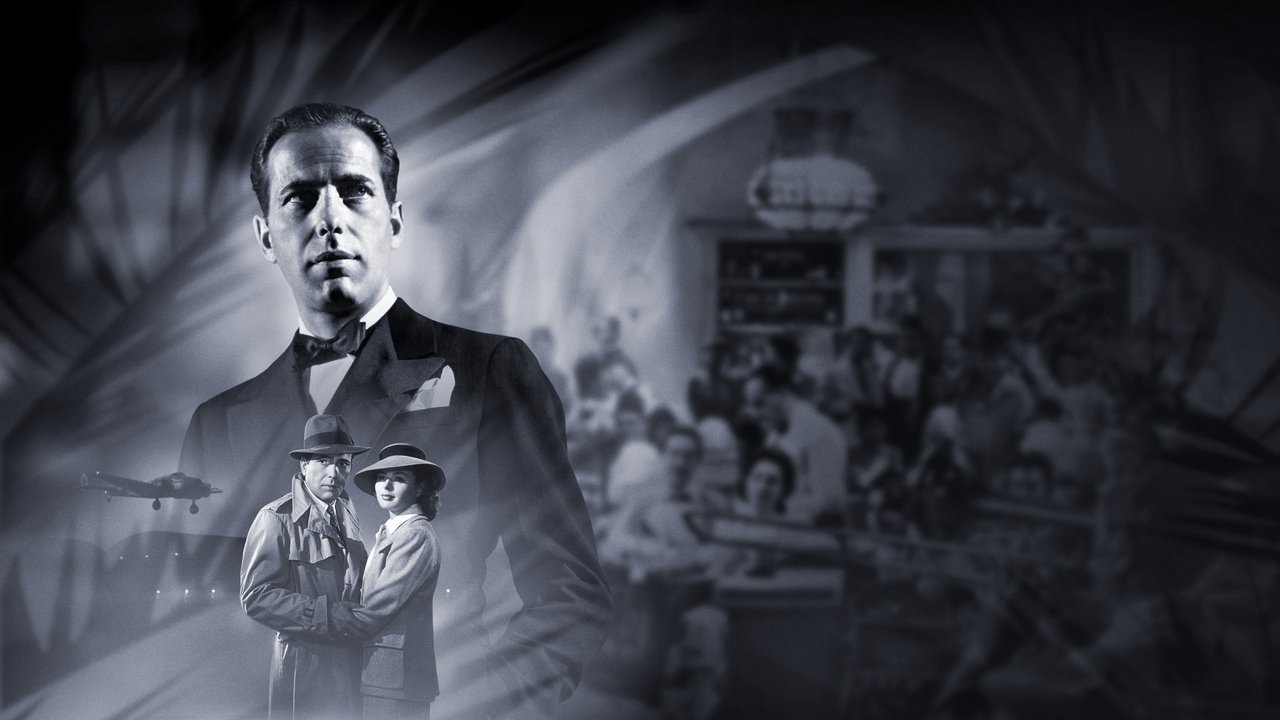
Michael Curtiz balances romance, wit, danger, and wartime conscience with extraordinary economy. Humphrey Bogart and Ingrid Bergman make renunciation feel more passionate than possession, while Rick's café holds a whole displaced world in miniature.
5. In the Mood for Love (2000)
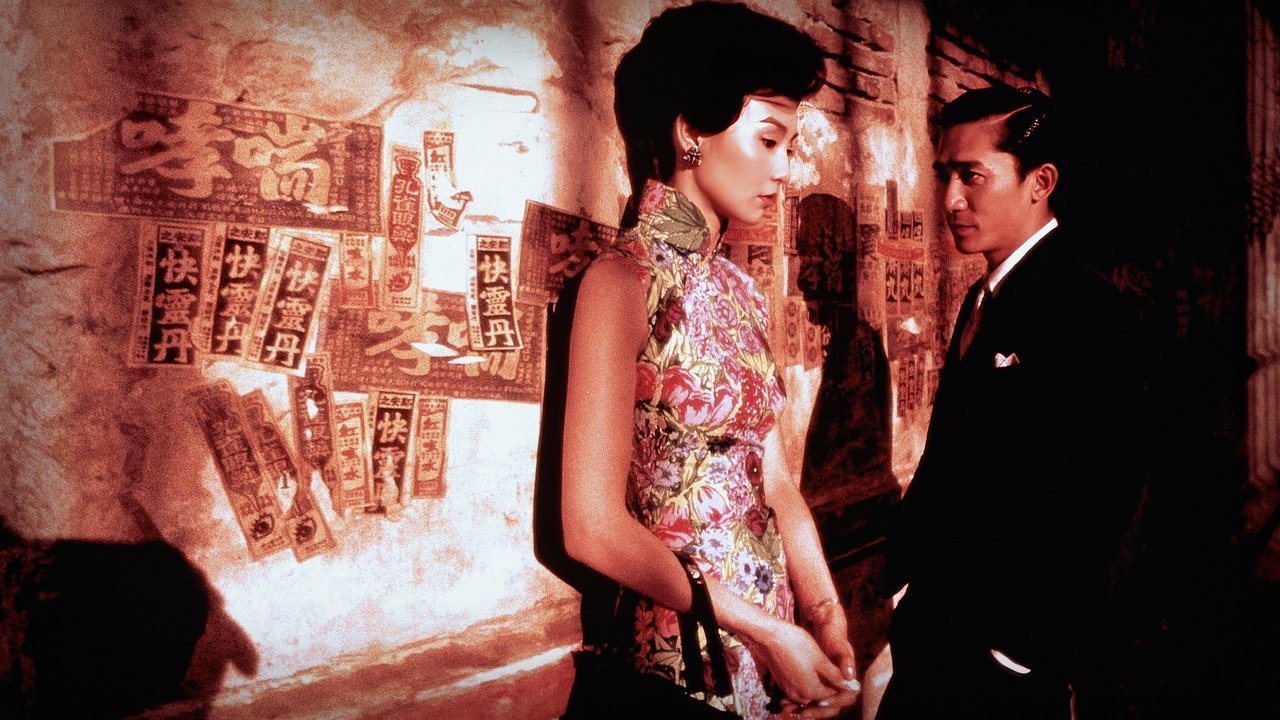
Wong Kar-wai finds overwhelming feeling in narrow hallways, repeated meals, borrowed rooms, and words left unsaid. Maggie Cheung and Tony Leung make restraint intensely physical, while time turns missed possibility into something almost sacred.
View In the Mood for Love on Stellar
4. Parasite (2019)

Bong Joon Ho moves from con-game comedy to domestic thriller to tragedy without breaking the film's architectural precision. Stairs, windows, smells, and hidden rooms make class visible, and every reversal exposes another cost of an unequal system.
3. 2001: A Space Odyssey (1968)
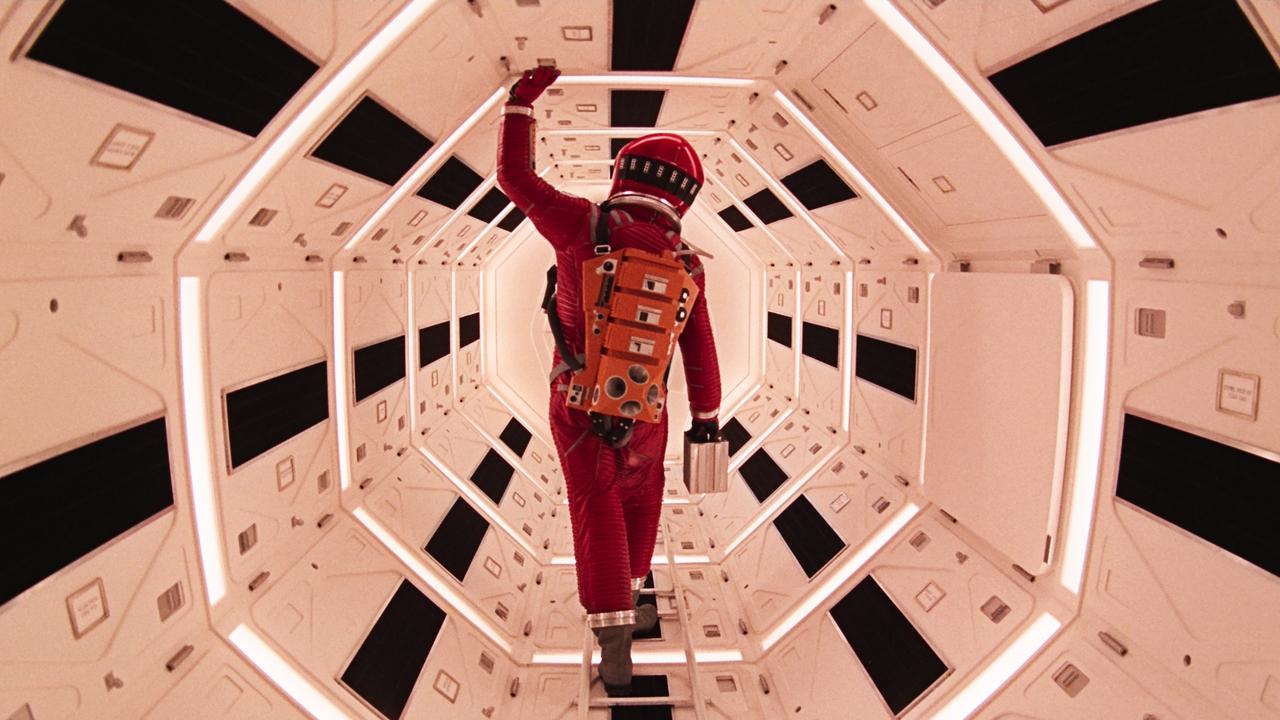
Kubrick carries cinema from the first tool to an unknowable future with astonishing visual confidence and very little explanation. Its spacecraft feel physical, its artificial intelligence feels intimate, and its mysteries keep expanding beyond any single interpretation.
View 2001: A Space Odyssey on Stellar
2. The Godfather (1972)
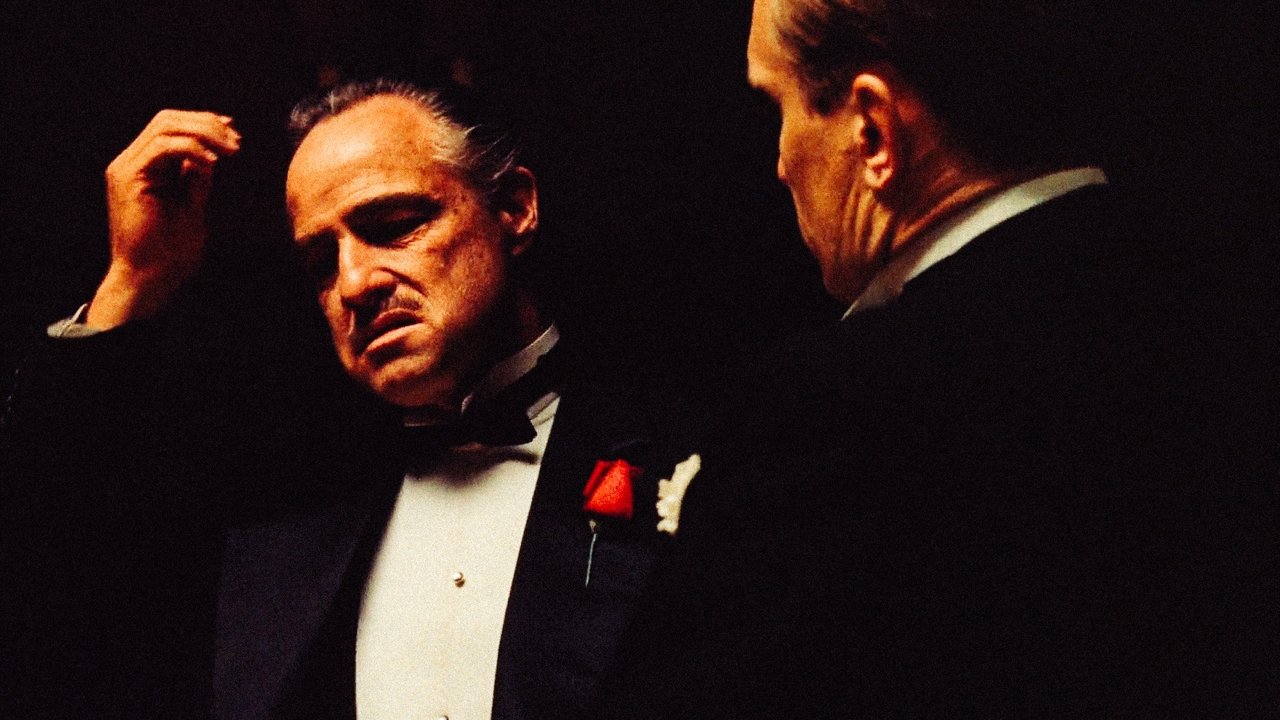
Coppola presents family ritual and organized violence as parts of the same inheritance. Marlon Brando gives power a weary stillness, while Al Pacino's almost imperceptible transformation makes Michael's final act feel both inevitable and horrifying.
1. Seven Samurai (1954)
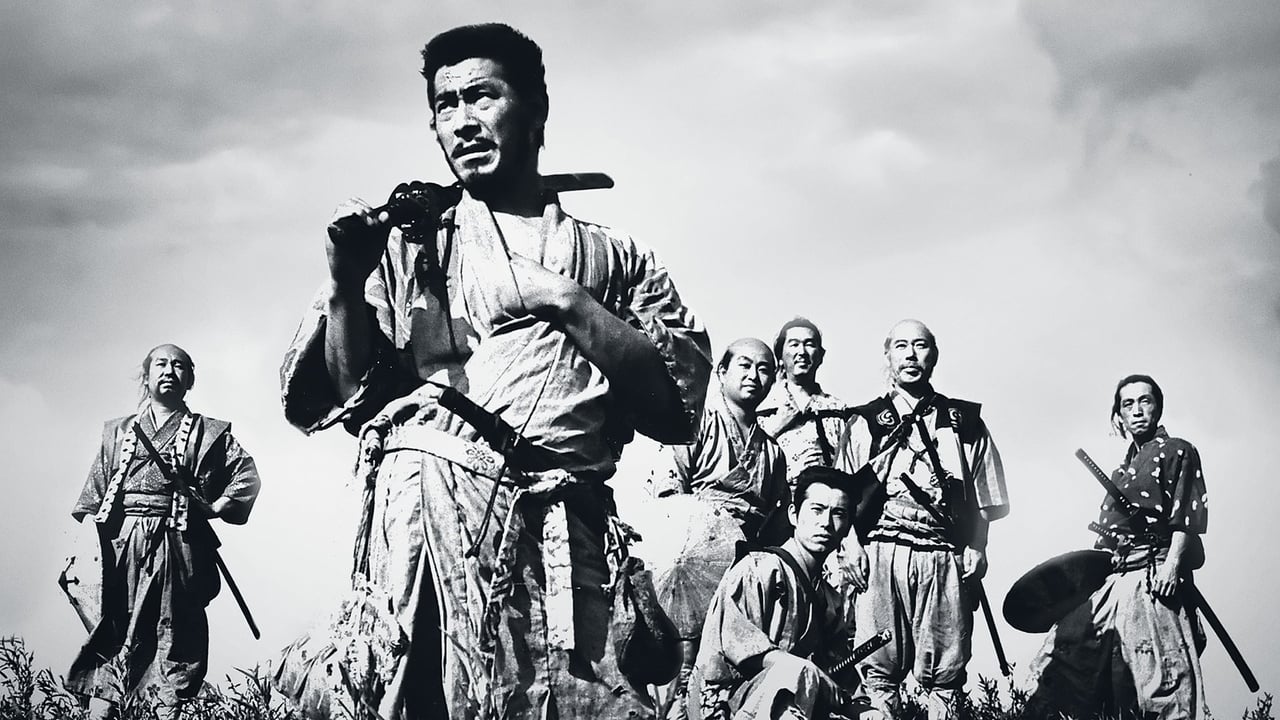
Kurosawa joins character, action, weather, geography, humor, and grief with a clarity that generations of filmmakers have studied. Every member of the fragile alliance matters, every battle changes the village, and victory arrives carrying the knowledge of who truly endures.
A canon meant to move
No list can settle a medium this vast. Rankings change as films are restored, discovered, revisited, and seen from another place in life; that movement is part of the pleasure. Treat this as a hundred invitations rather than a final verdict, and follow whichever image, filmmaker, country, or era opens the next door.
Explore more hand-picked viewing guides in Stellar News, or start building your own watchlist from any title above.